
Muštarda: The Bold Croatian Mustard You’ll Want on Every Table
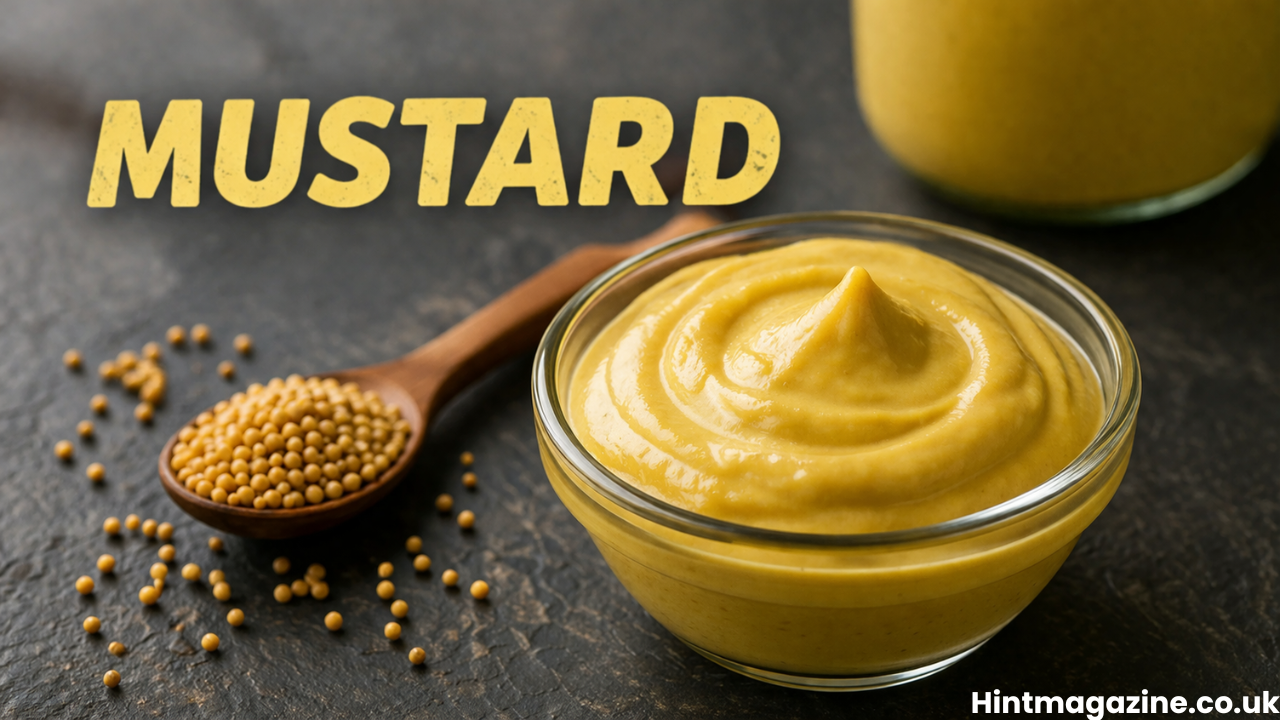
If you love condiments that pack a punch of flavor, you need to meet muštarda. This traditional Croatian specialty isn’t your average yellow squeeze bottle from the grocery store. Muštarda is a thick, piquant sauce born in the hills of Samobor, just outside Zagreb. It balances sweet fruit notes with a fiery mustard kick that wakes up your taste buds. Whether you’re a foodie exploring Balkan cuisine or simply looking for a new twist on classic dishes, delivers real excitement in every spoonful.
In this guide, we’ll dive deep into what makes muštarda special, its fascinating history, how it’s made, and the best ways to enjoy it at home. By the end, you’ll be ready to hunt down a jar or even try making your own.
What Is Muštarda?
Muštarda is a traditional Croatian condiment made primarily from mustard seeds combined with sweet wine must (the freshly pressed juice of grapes, including skins and seeds). Producers add grape jam, a touch of salt, and sugar to create a thick, glossy sauce that’s both spicy and subtly sweet.
Unlike smooth Dijon or bright American mustard, has a rustic texture and complex layers. The name itself comes from the same root as “mustard,” but in Croatia, especially around Samobor, it evolved into something uniquely local. Locals proudly call it Samoborska muštarda, and it’s become a symbol of regional pride.
The Rich History Behind Muštarda
The story of muštarda goes back centuries, but legend gives it a glamorous twist. Around 1809, Napoleon and his troops passed through Samobor during their campaigns. They reportedly introduced a mustard-style sauce, and the clever locals adapted it using local ingredients like grape must from nearby vineyards.
By the 19th century, families in Samobor had perfected their own recipe. One of the most famous producers today, the Filipec family at Podrum Filipec, still follows a 19th-century formula. They turned it into a commercial product after World War II, but the handmade touch remains. Muštarda isn’t mass-produced in huge factories—it stays true to its small-town roots.
This condiment pairs perfectly with another Samobor classic: bermet, a spiced fortified wine. Together, they represent the refined yet hearty flavors of northwestern Croatia.
Ingredients That Make Authentic Muštarda Special
The beauty of muštarda lies in its simple but carefully chosen ingredients:
- Mustard seeds – The heart of the heat, providing that signature spicy bite.
- Sweet wine must (stum) – Fresh grape juice that adds natural sweetness and depth.
- Grape jam – Brings fruity richness and helps create the thick texture.
- Salt and sugar – Balance the flavors perfectly.
No artificial colors or preservatives in the traditional version. The result is a dark sauce with reddish tones that looks as impressive as it tastes.
How Muštarda Is Made: Traditional Process
Making muštarda is an art passed down through generations. Producers start by mixing mustard seeds with sweet wine. They slowly incorporate grape jam, salt, and sugar while cooking gently to develop the thick, spreadable consistency.
The process creates a sauce that’s piquant—sharp and lively—without being overwhelmingly hot. Commercial makers like those in Samobor follow time-tested methods, but the essence stays the same: slow blending that lets the flavors marry beautifully. This is why homemade or small-batch always tastes more vibrant than generic supermarket mustard.
Flavor Profile: Spicy, Sweet, and Addictively Complex
One bite of muštarda and you’ll understand the hype. It hits you with a bold, very spicy kick right at the start—think horseradish-like heat that tingles in your nose rather than burning your tongue. Then comes a light sweetness from the grape must and jam that softens the edge.
The overall taste is complex and intense: less purely “mustardy” than classic yellow mustard, but far more interesting. The dark color hints at the rich, almost fruity undertones. It’s versatile enough for everyday meals yet special enough for holiday tables.
Traditional Ways to Enjoy Muštarda
In Croatia, shines as a side dish for hearty meats. Locals serve it with:
- Boiled beef
- Grilled sausages
- Local garlic sausages called češnjovka (or češnofka)
- Steamed meats of any kind
The sauce cuts through rich, fatty flavors and adds brightness. It also works wonderfully with charcuterie boards alongside cheeses and cured meats.
Modern Twists and Serving Ideas
Don’t limit to traditional Croatian plates! Try these easy ideas:
- Spread it on sandwiches or burgers for an instant flavor upgrade.
- Mix a spoonful into salad dressings or marinades.
- Pair it with roasted vegetables or grilled chicken.
- Use it as a dip for pretzels or fresh bread.
- Add it to cheese platters—it pairs especially well with sharp cheddar or creamy brie.
A little goes a long way, so start small and adjust to your heat preference.
Health Benefits of Muštarda
Mustard seeds are packed with goodness. They contain antioxidants, anti-inflammatory compounds, and even some digestive benefits. The grape must add natural fruit sugars and polyphenols. While muštarda isn’t a superfood, it’s a tastier, more natural alternative to many processed condiments. Plus, its bold flavor means you use less, which can help with portion control.
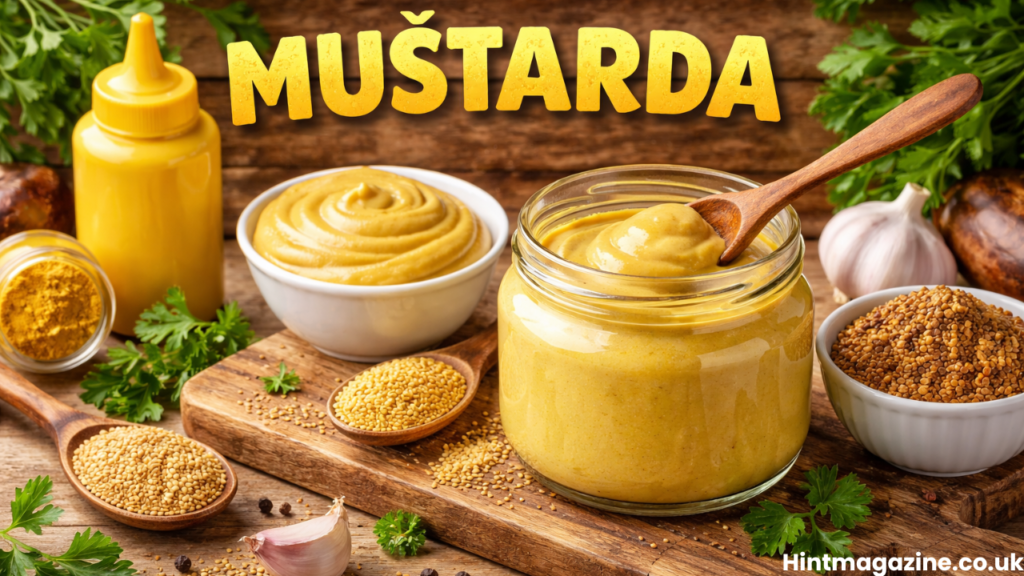
How to Make Simple Muštarda at Home
Want to try it yourself? Here’s an easy home version inspired by the traditional recipe:
- Soak ½ cup mustard seeds in 1 cup sweet grape juice or white wine for a few hours.
- Blend or grind the seeds until you reach your desired texture.
- Stir in 2–3 tablespoons grape jam, a pinch of salt, and 1 teaspoon sugar.
- Let it sit in the fridge for a day so flavors develop.
It won’t be exactly like Samobor’s, but it captures the spicy-sweet spirit perfectly.
Where to Find Authentic Muštarda
The best muštarda still comes straight from Samobor. Look for jars from Podrum Filipec or other local producers. Online specialty shops that carry Croatian foods often stock it, and some gourmet stores in Europe and beyond import it. If you visit Croatia, make a stop in Samobor—you can even tour small producers and taste it fresh.
FAQ About Muštarda
What does muštarda taste like?
It’s spicy and piquant with a gentle sweetness from grapes. The heat is bold but not overwhelming, and the texture is thick and glossy.
How is muštarda different from Italian mostarda?
Italian mostarda features candied fruits in a mustard syrup, while Croatian focuses on mustard seeds blended with wine must and grape jam for a sauce-like consistency. Both are delicious but very different!
Can I substitute regular mustard for muštarda?
You can in a pinch, but you’ll miss the unique sweet-fruity depth and thick texture that make it special.
How long does muštarda last?
Unopened jars keep for months in a cool cupboard. Once opened, store in the fridge and use within a few weeks for the best flavor.
Why Muštarda Deserves a Spot in Your Kitchen
Muštarda isn’t just another condiment—it’s a piece of Croatian culinary heritage that brings bold, balanced flavor to everyday meals. From its Napoleonic legend to its perfect pairing with local sausages, this Samobor specialty proves that simple ingredients can create something truly memorable.
Next time you’re planning a meal, reach for muštarda. Whether you drizzle it over grilled meat, stir it into a marinade, or simply enjoy it with good bread and cheese, you’ll taste why people have loved it for generations. Give muštarda a try—you might just discover your new favorite flavor booster.