
Foenegriek: The Complete Guide to This Ancient Herb with Modern Health Benefits
What is Foenegriek?
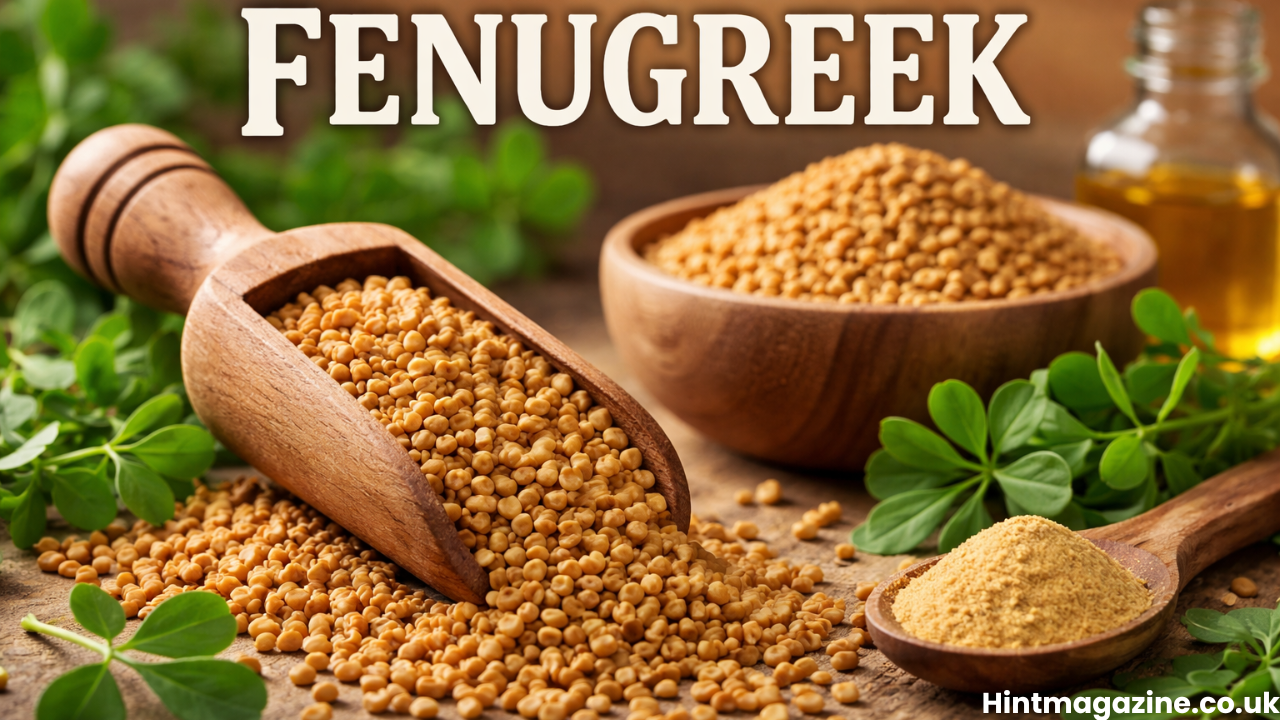
Foenegriek (also known as Trigonella foenum-graecum or fenugreek) is an herb that has been used for thousands of years for both culinary and medicinal purposes. This clover-like plant, native to the Mediterranean region, Southern Europe, and Western Asia, is known for its characteristic golden-brown seeds that have a sweet, caramel-like aroma reminiscent of maple syrup .
The seeds of contain an impressive nutritional profile with protein, fiber, and various bioactive compounds. In one tablespoon of seeds, you’ll find 2.5 grams of protein, 2.7 grams of fiber, and important minerals such as potassium . This unique composition makes foenegriek popular in the kitchen and as a natural dietary supplement.
The Key Health Benefits of Foenegriek
Support for Diabetes Management
One of the most researched applications of foenegriek is its positive effect on blood sugar levels. Scientific research shows that this herb slows carbohydrate absorption in the digestive tract, resulting in a more gradual rise in blood sugar .
The soluble fibers in, particularly galactomannan, play a crucial role here. These fibers form a gel-like substance in the intestines that slows glucose absorption and improves insulin sensitivity . For people with type 2 diabetes, daily use of seeds can be a valuable addition to their diet.
Heart Health and Cholesterol
Foenegriek can contribute positively to healthy cholesterol levels. The saponins in the seeds inhibit cholesterol absorption in the intestines, while the soluble fibers bind to cholesterol molecules .
Research indicates that regular use of foenegriek may lead to:
- Reduction in total cholesterol
- Decrease in LDL cholesterol (“bad” cholesterol)
- Possible increase in HDL cholesterol (“good” cholesterol)
A decreased risk of cardiovascular disease is a result of these effects.
Weight Management
Are you looking for natural support for weight loss? Foenegriek might just become your new best friend. The galactomannan fibers in the seeds create a feeling of fullness by absorbing moisture and expanding in the stomach .
Additionally, may inhibit fat absorption and give metabolism a small boost. While it’s not a miracle cure, it can be a useful addition to a healthy diet and regular exercise.
Breastfeeding and Milk Production
Many breastfeeding women use it to increase their milk production. Traditionally, tea has been used for this purpose for centuries. Small-scale studies suggest that women who drink foenegriek tea may produce more milk than women who don’t .
The recommended dosage for breastfeeding mothers is usually 1-3 cups of tea per day. However, it’s always wise to consult with a healthcare provider before starting supplements during the breastfeeding period.
Hormonal Balance
Hormonal equilibrium is another benefit of foenegriek. Women going through menopause may benefit from this herb. A placebo-controlled study showed that supplementation for 90 days significantly reduced severe hot flashes .
In men, research suggests that extract may support testosterone levels and libido, although more research is needed in this area .
How to Use Foenegriek?
In the Kitchen
In cooking, foenegriek is a versatile ingredient. There are several uses for the seeds:
- Whole seeds: Roast them briefly in a dry pan to intensify the flavor before adding them to curries, stews, or bread
- Ground powder: Perfect for making spice blends, adding to yogurt, or using in baking recipes
- Foenegriek tea: Steep 1 teaspoon of seeds in boiling water for 3 minutes
- Leaves: In India, fresh foenegriek leaves (methi) are used in soups and curries
As a Supplement
Foenegriek is available in various forms:
- Capsules and tablets
- Liquid extracts
- Powder form
- Tea
The optimal dosage varies depending on the goal but usually ranges between 500 mg and 2 grams per day. For diabetes management, sometimes higher dosages are used, but always consult a doctor before starting supplementation .
Safety and Side Effects
Possible Side Effects
Although foenegriek is generally safe, some people may experience side effects:
- Stomach pain and diarrhea
- Flatulence
- Reduced appetite
- Unpleasant body odor (maple syrup-like smell in sweat and urine)
- Coughing or worsening of asthma in some people
When Should You Exercise Caution?
There are several situations where you should be extra careful with foenegriek:
Pregnancy: Use during pregnancy is discouraged, as high dosages may lead to complications or congenital abnormalities .
Peanut allergy: Foenegriek belongs to the legume family (Leguminosae), just like peanuts. If you’re allergic to peanuts, you may also be hypersensitive to foenegriek .
Diabetes medication: Because it can lower blood sugar, it’s important to consult your doctor if you already use diabetes medication. Your blood sugar could drop too low (hypoglycemia), causing symptoms such as shaking, confusion, and dizziness .
Blood thinners: may potentially affect blood clotting.If you take blood thinners, speak with your physician.
FAQ’s
How quickly does foenegriek work for blood sugar?
The effects on blood sugar levels can be noticeable within a few weeks of regular use. Studies show improvements in glucose metabolism after 12 weeks of supplementation . For optimal results, consistent use is important, combined with a healthy lifestyle.
Can you use too much foenegriek?
Yes, excessive use of foenegriek can lead to unwanted side effects such as severe diarrhea and dangerous drops in blood sugar. Stay within recommended dosages and stop using if you experience side effects.
Is foenegriek suitable for vegans?
Absolutely! is a 100% plant-based product and fits perfectly into a vegan diet. It’s an excellent source of plant-based protein and fiber, making it a valuable addition for people who don’t consume animal products.
Conclusion
Foenegriek is a fascinating herb with a rich history and promising health benefits. From supporting healthy blood sugar to promoting heart health and increasing milk production during breastfeeding – this ancient herb has proven itself in modern times as a valuable addition to a healthy lifestyle.
While scientific research supports many of the traditional applications, it’s important to remain realistic. not a miracle cure, but it can be a powerful ally when combined with a balanced diet, sufficient exercise, and a healthy lifestyle.
Want to try foenegriek? Start small, observe how your body responds, and always consult with a doctor or dietitian for specific health goals. With the right approach, this versatile herb can be a valuable addition to your daily routine.