


Financial independence is a dream shared by millions of people worldwide. Imagine having enough savings, investments, and passive income to cover your living expenses without relying entirely on a traditional job. Achieving financial independence isn’t about becoming an overnight millionaire—it’s about making smart financial decisions consistently over time.
Whether you’re just starting your career or looking to improve your financial future, following a well-planned roadmap can help you build wealth, reduce financial stress, and enjoy greater freedom. The journey requires discipline, patience, and a long-term mindset, but the rewards are well worth the effort.
In this guide, we’ll explore a practical Financial Independence Roadmap, covering budgeting, saving, investing, debt management, passive income, and strategies to help you reach your financial goals.
Table of Contents
What Is Financial Independence?
Financial independence means having enough financial resources to support your desired lifestyle without depending solely on active employment. Instead of living paycheck to paycheck, your savings and investments generate enough income to cover your regular expenses.
Financial independence doesn’t necessarily mean retiring early. For many people, it means having the flexibility to choose meaningful work, start a business, travel, or spend more time with family without financial pressure.
Why Financial Independence Matters
Building financial independence offers benefits beyond money.
Some of the biggest advantages include:
- Greater financial security
- Reduced stress about unexpected expenses
- More career flexibility
- Increased opportunities to travel or pursue hobbies
- Better retirement preparation
- Freedom to make life decisions based on personal goals rather than financial necessity
Financial independence provides peace of mind and greater control over your future.
Step 1: Set Clear Financial Goals
Every successful financial journey begins with specific goals.
Ask yourself:
- How much money do I need to feel financially secure?
- When would I like to achieve financial independence?
- What lifestyle do I want in the future?
Break your goals into three categories:
Short-Term Goals
Examples include:
- Building an emergency fund
- Paying off credit card debt
- Saving for a vacation
Medium-Term Goals
These might include:
- Buying a home
- Starting a business
- Saving for higher education
Long-Term Goals
Long-term goals often involve:
- Retirement planning
- Building investment portfolios
- Creating passive income streams
Clear goals help keep your financial decisions focused and intentional.
Step 2: Create a Realistic Budget
A budget is one of the most powerful tools for achieving financial independence.
Track your monthly income and expenses to understand where your money goes.
Divide spending into categories such as:
- Housing
- Transportation
- Food
- Utilities
- Entertainment
- Savings
- Investments
The goal isn’t to eliminate enjoyment—it’s to spend intentionally while consistently saving for the future.
Step 3: Build an Emergency Fund
Unexpected expenses are part of life.
Medical bills, car repairs, or temporary job loss can disrupt your finances if you’re unprepared.
Aim to save three to six months’ worth of essential living expenses in an easily accessible emergency fund.
Having this financial cushion helps you avoid relying on high-interest debt during difficult times.
Step 4: Eliminate High-Interest Debt
Debt can slow your journey toward financial independence.
Prioritize paying off high-interest obligations such as:
- Credit cards
- Personal loans
- Payday loans
Two popular repayment strategies include:
Debt Snowball Method
Pay off the smallest balances first while making minimum payments on other debts.
This approach builds motivation through quick wins.
Debt Avalanche Method
Focus on debts with the highest interest rates first.
This strategy often reduces the total interest paid over time.
Choose the method that best fits your personality and financial situation.
Step 5: Increase Your Savings Rate
One of the fastest ways to reach financial independence is by saving a higher percentage of your income.
Ways to increase savings include:
- Automating monthly transfers to savings accounts
- Reducing unnecessary expenses
- Cooking more meals at home
- Negotiating recurring bills
- Avoiding impulse purchases
Even small increases in your savings rate can have a significant impact over the long term.
Step 6: Start Investing Early
Saving money is important, but investing allows your wealth to grow over time.
Common investment options include:
- Stock market index funds
- Exchange-traded funds (ETFs)
- Individual stocks
- Bonds
- Real estate
- Retirement accounts
Diversifying your investments can help manage risk while supporting long-term growth.
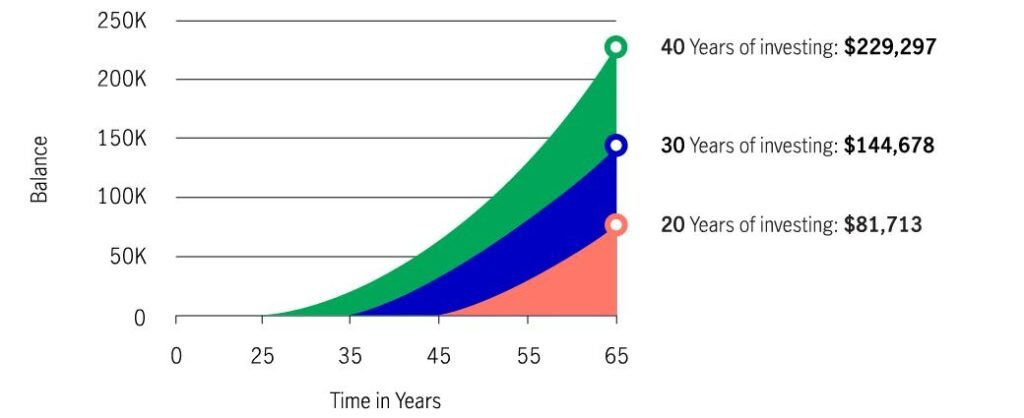
The earlier you begin investing, the more time your money has to benefit from compound growth.
Step 7: Create Multiple Income Streams
Many financially independent individuals don’t rely on a single source of income.
Consider developing additional income through:
Freelancing
Offer your professional skills on a part-time basis.
Side Businesses
Turn hobbies or expertise into profitable ventures.
Rental Income
Owning rental property can provide recurring monthly income.
Dividend Investments
Some investments generate regular dividend payments.
Multiple income streams can strengthen your financial stability and accelerate wealth building.
Step 8: Protect Your Finances
Building wealth also means protecting it.
Important financial protections include:
- Health insurance
- Life insurance (if appropriate)
- Disability insurance
- Estate planning
- Identity theft protection
These safeguards can reduce the financial impact of unexpected events.
Step 9: Continue Learning About Personal Finance
Financial knowledge is one of your greatest assets.
Stay informed by reading books, following reputable financial publications, and learning about:
- Budgeting
- Investing
- Taxes
- Retirement planning
- Risk management
The more you understand personal finance, the more confident your financial decisions become.
Common Mistakes to Avoid
Many people delay financial independence by making avoidable mistakes.
These include:
- Living beyond their means
- Ignoring retirement savings
- Carrying high-interest debt
- Failing to budget
- Trying to time the market
- Not reviewing financial goals regularly
Consistency often matters more than perfection.
Habits of Financially Independent People

Successful wealth builders often share several habits.
Living Below Their Means
They avoid unnecessary lifestyle inflation even as income grows.
Investing Consistently
Regular investing helps build wealth over time.
Setting Long-Term Goals
They focus on sustainable progress rather than quick profits.
Practicing Patience
Financial independence is usually the result of years of disciplined decision-making.
Frequently Asked Questions

What is financial independence?
Financial independence means having enough savings, investments, and passive income to support your lifestyle without relying entirely on employment income.
How long does it take to become financially independent?
The timeline varies depending on income, expenses, savings rate, and investment performance. For many people, it can take 15–30 years of consistent planning and disciplined financial habits.
Do I need a high income to achieve financial independence?
Not necessarily. While higher income can help, controlling expenses, saving consistently, and investing wisely are equally important.
What is the first step toward financial independence?
Start by setting clear financial goals, creating a realistic budget, and building an emergency fund.
Final Thoughts
Achieving financial independence is a journey, not a destination reached overnight. By setting meaningful goals, creating a budget, eliminating high-interest debt, saving consistently, investing for the future, and building multiple income streams, you can create a strong financial foundation for yourself and your family.
Remember that progress happens one step at a time. Small, consistent improvements in your financial habits can lead to significant results over the years. Whether your goal is early retirement, greater career flexibility, or simply peace of mind, following a thoughtful financial independence roadmap can help turn those aspirations into reality.
The best time to begin your financial journey is today. Every smart financial decision you make brings you one step closer to lasting financial freedom.
For More Please Visit : hintmagazine.co.uk