
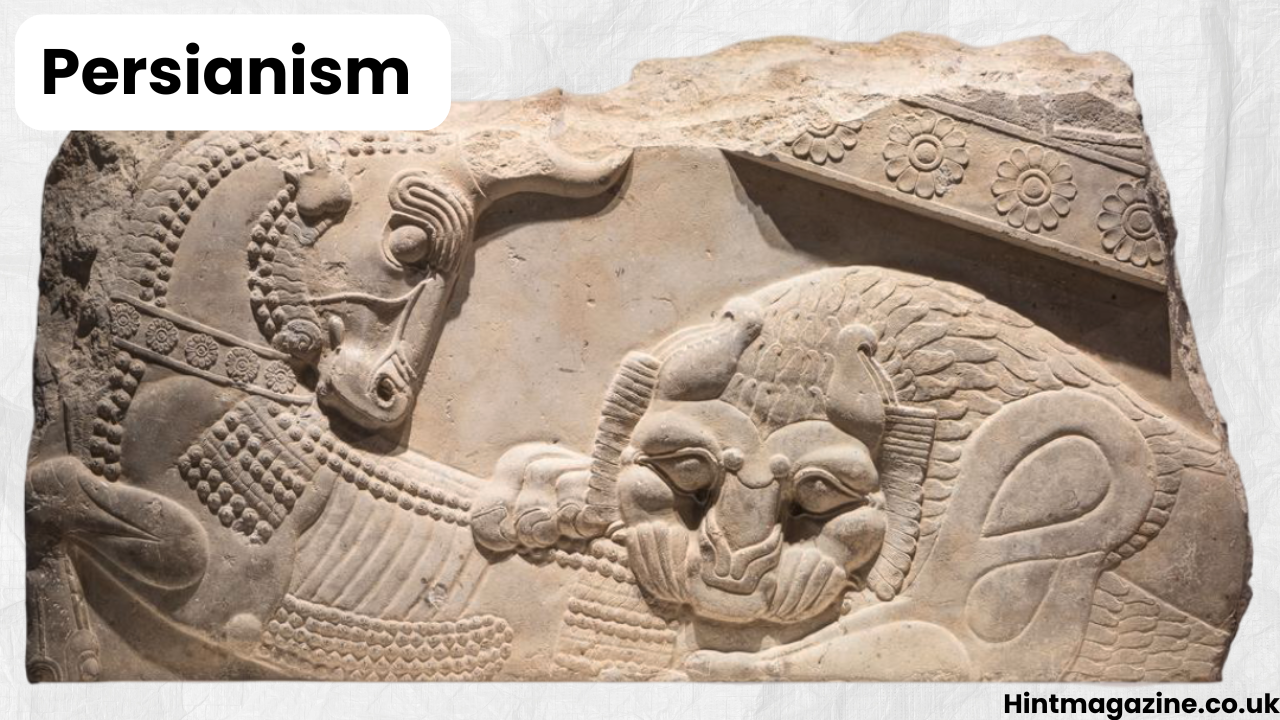

Introduction to Persianism
Persianism represents far more than a cultural term; it is a broad philosophical, historical, and artistic movement rooted in the traditions of Persia (modern-day Iran). Over centuries, Persianism has shaped not only language and literature but also architecture, philosophy, religion, and global culture. Its influence extends well beyond the borders of Persia, reaching across the Middle East, Central Asia, South Asia, and even Europe. To truly understand Persianism, we must explore its rich heritage, cultural identity, and ongoing global significance.
Historical Roots of Persianism
The foundations of Persianism can be traced back to the Achaemenid Empire (550–330 BCE), one of the most powerful empires of antiquity. With Cyrus the Great’s vision of governance based on tolerance and respect for diversity, Persianism emerged as a philosophy that celebrated unity in diversity. This approach influenced administrative systems, cultural policies, and the expansion of knowledge across the empire.
Later dynasties, including the Sassanids and Safavids, reinforced Persian identity by nurturing art, literature, architecture, and philosophy. Each period added new dimensions to Persianism, shaping it into a unique cultural force.
The Literary Brilliance of Persianism
One of the strongest pillars of Persianism is literature. Persian poetry and prose hold a sacred place in world heritage. Writers such as Ferdowsi, Rumi, Saadi, and Hafez are not only admired in Iran but celebrated globally for their timeless wisdom and poetic mastery.
- Ferdowsi’s Shahnameh preserved Persian history and identity at a time when cultural survival was threatened.
- Rumi’s mystical poetry transcended borders, becoming a universal symbol of love and spirituality.
- Saadi’s Gulistan and Bustan introduced ethical philosophy through elegant storytelling.
- Hafez’s ghazals continue to inspire lovers of poetry worldwide.
Persianism in literature stands as a fusion of mysticism, ethics, and aesthetics that still influences modern writers and thinkers.
Philosophy and Thought in Persianism
Persianism is not limited to art—it encompasses profound philosophical traditions. Thinkers such as Avicenna (Ibn Sina), Al-Farabi, and Suhrawardi advanced medical science, metaphysics, and illuminationist philosophy. Cultivated a worldview that merged reason with spirituality, making it both practical and deeply reflective.
This intellectual tradition became a bridge between East and West, influencing Islamic philosophy, medieval European thought, and even Renaissance scholarship.
Persianism in Religion and Mysticism
Religious traditions in Persia shaped the very fabric of Persianism. Zoroastrianism, the ancient faith of Persia, introduced dualistic philosophy, emphasizing the struggle between good and evil. Its teachings on morality, justice, and cosmic order left a deep imprint on later religions, including Christianity and Islam.
With the advent of Islam, Persianism contributed significantly to Sufism (Islamic mysticism). Persian Sufi poets and scholars provided the spiritual depth that continues to inspire seekers of truth worldwide. Thus, Persianism reflects a spiritual legacy that embraces wisdom, tolerance, and inner transformation.
Persianism in Art and Architecture
Persianism is vividly expressed in visual arts and architecture. From the grandeur of Persepolis to the breathtaking mosques of Isfahan, Persian design represents harmony, balance, and intricate detail.
Key elements of Persian artistic expression include:
- Calligraphy as a spiritual art form.
- Miniature paintings illustrating epic tales and poetry.
- Geometric patterns and tilework symbolizing infinity and divine order.
- Persian gardens, designed as earthly paradises, influencing landscape architecture worldwide.
These works embody Persianism’s aesthetic values, merging beauty with meaning.
Persianism in Language and Identity
The Persian language (Farsi) is the lifeline of Persianism. Its enduring beauty, adaptability, and literary richness make it a cornerstone of cultural identity. Persian served as the lingua franca across empires and remains an influential language in literature, diplomacy, and scholarship.
Through language, Continues to unify diverse peoples while preserving its unique heritage.
Persianism in Politics and Governance
Historically, Persian rulers applied principles of justice, tolerance, and administrative innovation. The Cyrus Cylinder, often called the world’s first human rights charter, reflects Persianism’s early embrace of equality and cultural respect. These political ideals shaped governance systems far beyond Persia, influencing later civilizations.
The Global Influence of Persianism
Persianism has traveled far beyond Iran’s borders, leaving a strong legacy in:
- South Asia, influencing Urdu and Hindi literature, Mughal architecture, and court culture.
- Central Asia, shaping Turkic and Mongol artistic traditions.
- Europe, where Persian poetry and philosophy inspired Romantic and Enlightenment thinkers.
Persianism in the Modern Era
In the modern world, Persianism continues to thrive in literature, cinema, art, and academic research. Iranian filmmakers, contemporary poets, and visual artists carry forward the essence of Persianism while adapting it to modern themes of identity, freedom, and globalization.
Digital platforms now provide opportunities for global audiences to engage with Persian heritage, ensuring its relevance for future generations.
The Philosophical Core of Persianism
At its heart, Persianism is about balance—between tradition and progress, spirituality and rationality, individuality and community. This balance is what makes it timeless and universally applicable.
Future of Persianism
Looking ahead, Persianism will continue to inspire global culture. With increasing interest in cross-cultural understanding, Offers valuable lessons in tolerance, creativity, and wisdom. Its literary treasures, philosophical insights, and aesthetic beauty remain as relevant today as they were centuries ago.
As the world seeks more meaningful connections, it stands as a guiding light for cultural and intellectual enrichment.
Conclusion
Persianism is more than a historical or cultural label—it is a living tradition that continues to influence art, philosophy, religion, governance, and identity. Its contributions to global heritage make it one of the most profound cultural legacies in human history. By embracing Persianism, we gain access to centuries of wisdom, beauty, and inspiration that enrich not only Persian identity but also the collective human experience.
FAQ’s
1. What is Persianism?
Persianism is a cultural, philosophical, and artistic movement rooted in Persian heritage, encompassing literature, art, architecture, religion, and intellectual traditions.
2. When did Persianism begin?
Persianism originated during the Achaemenid Empire (550–330 BCE) and evolved through subsequent dynasties like the Sassanids and Safavids.
3. How does Persianism influence literature?
It shaped timeless works by poets such as Rumi, Ferdowsi, Saadi, and Hafez, whose writings continue to inspire globally.
4. What role does Persianism play in philosophy?
Persian thinkers like Avicenna and Suhrawardi contributed to medicine, metaphysics, and illuminationist philosophy, bridging Eastern and Western thought.
5. Is Persianism connected to religion?
Yes, it includes influences from Zoroastrianism, Islamic philosophy, and Sufism, focusing on spirituality, morality, and tolerance.
6. How does Persianism impact art and architecture?
It is reflected in calligraphy, miniature painting, geometric tilework, Persian gardens, and iconic structures like Persepolis and Isfahan’s mosques.