
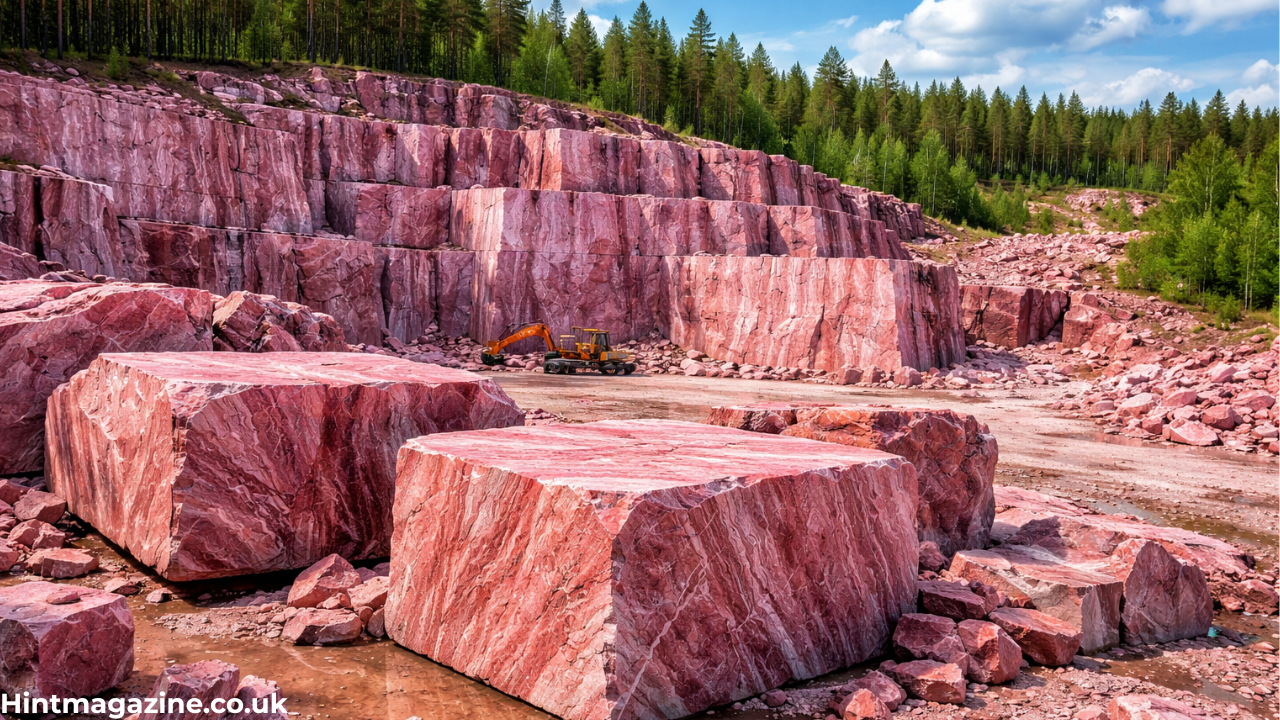

Natural stones have played a defining role in human civilization, shaping monuments, tools, and artistic expression for thousands of years. Among these materials, shoksha quartzite stands out as a rare and visually striking stone with deep geological roots and remarkable durability. Known for its rich reddish hues and crystalline structure, this quartzite has gained recognition not only for its aesthetic value but also for its historical and architectural importance. This article provides a comprehensive exploration of shoksha quartzite, examining its origin, properties, uses, and enduring relevance in modern applications.
Understanding Quartzite as a Natural Stone
Quartzite is a metamorphic rock formed when quartz-rich sandstone undergoes intense heat and pressure over geological time. This process fuses the quartz grains together, creating a dense and hard stone that is more durable than its sedimentary precursor. Unlike many decorative stones, quartzite combines beauty with exceptional strength, making it suitable for both structural and ornamental purposes.
What distinguishes different varieties of quartzite is their mineral composition and the conditions under which they formed. Color variations arise from trace elements such as iron oxides or other minerals embedded within the stone. In this context, shoksha quartzite represents a unique geological expression shaped by specific environmental factors.
Geological Origin of Shoksha Quartzite
Formation and Location
Shoksha quartzite originates from the Shoksha region near Lake Onega in northwestern Russia, particularly within the Republic of Karelia. This area is known for its ancient geological formations, some dating back more than two billion years. The stone formed during the Precambrian era, when intense tectonic activity transformed sandstone deposits into highly compact quartzite.
The distinctive reddish and crimson tones of shoksha quartzite are attributed to iron oxide impurities that became integrated into the stone during metamorphism. These natural pigments give the material its characteristic appearance, which remains stable over time and does not fade under environmental exposure.
Mineral Composition and Structure
From a mineralogical perspective, it consists predominantly of quartz, often exceeding 90 percent of its composition. The remaining fraction includes iron compounds and minor accessory minerals. This high quartz content results in exceptional hardness and resistance to abrasion.
The crystalline structure of the stone contributes to its uniform texture and low porosity. These properties make it resistant to water absorption, frost damage, and chemical weathering, qualities that are particularly valuable in harsh climates.
Physical and Mechanical Properties
Strength and Durability
One of the most notable characteristics of shoksha quartzite is its impressive mechanical strength. It ranks high on the Mohs hardness scale, typically around 7, which places it above many commonly used natural stones. This hardness translates into excellent resistance to scratching and surface wear.
The stone’s compressive strength makes it suitable for load-bearing applications, while its resistance to cracking ensures longevity even under significant stress. These qualities have contributed to its use in historically important structures that have endured for centuries.
Aesthetic Qualities
In addition to its physical performance, shoksha quartzite is prized for its visual appeal. Its color palette ranges from deep burgundy to warm red and pinkish tones, often with subtle variations that create a natural pattern. The crystalline texture reflects light softly, giving the surface a refined and elegant appearance.
When polished, the stone develops a smooth, lustrous finish that enhances its color depth. In honed or textured finishes, it retains a more natural and understated look, suitable for architectural applications where subtlety is desired.
Historical and Cultural Significance
Use in Monuments and Architecture
Shoksha quartzite has played a notable role in Russian architectural history. One of the most famous examples of its use is in the construction of Lenin’s Mausoleum in Moscow, where the stone was selected for its durability and symbolic color. Its presence in such a prominent structure highlights its cultural and political significance.
Beyond monumental architecture, the stone has been used in churches, memorials, and public buildings throughout Russia. Its ability to withstand extreme weather conditions made it an ideal material for outdoor applications in northern climates.
Symbolism and Artistic Value
The deep red tones of shoksha quartzite have often been associated with strength, permanence, and solemnity. These symbolic qualities contributed to its selection for commemorative and ceremonial structures. Artists and sculptors have also appreciated the stone for its workability, despite its hardness, and its ability to hold fine details when properly carved.
Modern Applications of Shoksha Quartzite
Architectural and Construction Uses
Contemporary architecture continues to be valued for both functional and aesthetic reasons. It is commonly used for exterior cladding, paving, staircases, and structural elements where durability is essential. Its resistance to temperature fluctuations makes it suitable for facades exposed to severe weather.
Interior applications include flooring, wall panels, and decorative accents. The stone’s natural color adds warmth and character to modern spaces, while its strength ensures long-term performance even in high-traffic areas.
Interior Design and Decorative Elements
Designers increasingly incorporate shoksha quartzite into interior design projects that seek a balance between natural beauty and resilience. It is used in countertops, fireplace surrounds, and feature walls, where its rich coloration serves as a focal point.
Because the stone pairs well with materials such as wood, metal, and glass, it fits seamlessly into both traditional and contemporary design schemes. Its understated elegance appeals to those who prefer natural materials with a sense of history.
Quarrying and Processing Considerations
Extraction Methods
The quarrying of shoksha quartzite requires careful planning due to the stone’s hardness and the desire to preserve its structural integrity. Modern extraction techniques use diamond cutting tools and controlled blasting to minimize waste and prevent fractures.
Environmental considerations play an important role in quarry operations. Responsible quarrying practices aim to reduce ecological impact while ensuring the sustainable availability of this valuable resource.
Processing and Finishing
Once extracted, the stone undergoes processing to achieve the desired dimensions and surface finish. Advanced cutting and polishing technologies allow for precise shaping and consistent quality. Finishing options include polished, honed, flamed, and textured surfaces, each offering a different aesthetic and functional outcome.
The choice of finish depends on the intended application. Polished surfaces highlight color and pattern, while textured finishes improve slip resistance for outdoor or wet areas.
Maintenance and Longevity
Care Requirements
Despite its durability, it benefits from proper maintenance to preserve its appearance. Regular cleaning with mild, non-acidic solutions helps prevent the buildup of dirt and contaminants. Sealing may be recommended for certain applications, particularly in kitchens or outdoor settings, to enhance stain resistance.
Unlike softer stones, quartzite does not easily etch or scratch, reducing the need for frequent repairs. This low-maintenance nature contributes to its appeal in both residential and commercial projects.
Long-Term Performance
When properly installed and maintained, it can last for generations. Its resistance to weathering, chemical exposure, and mechanical stress ensures that it retains its structural integrity and visual appeal over time. Many historical structures built with this stone serve as living proof of its longevity.
Environmental and Sustainability Aspects
Natural Material Advantages
As a natural stone, it offers environmental advantages compared to synthetic materials. Its long lifespan reduces the need for replacement, lowering resource consumption over time. Additionally, stone production typically involves fewer chemical processes than manufactured alternatives.
The stone’s thermal properties can also contribute to energy efficiency in buildings by helping regulate temperature and reduce heating and cooling demands.
Responsible Use in Modern Design
Architects and designers increasingly prioritize sustainable material choices. Using durable stones like shoksha quartzite aligns with this approach by emphasizing quality and longevity over short-term trends. When sourced responsibly, the stone supports environmentally conscious construction practices.
Comparison with Other Natural Stones
Quartzite Versus Marble and Granite
While marble is known for its elegance and granite for its versatility, quartzite occupies a unique position by combining beauty with superior hardness. Shoksha quartzite, in particular, offers a color range not commonly found in other stones, making it a distinctive choice.
Compared to marble, it is more resistant to scratching and staining. Compared to granite, it often exhibits a more refined crystalline texture and consistent coloration, depending on the slab.
Why Choose Shoksha Quartzite
The decision to use shoksha quartzite often comes down to its balance of strength, aesthetics, and historical significance. Its ability to perform well in demanding environments while maintaining a sophisticated appearance sets it apart from many alternatives.
Conclusion
Shoksha quartzite represents more than just a building material; it is a testament to the power of natural processes and human appreciation for enduring beauty. Formed over billions of years and shaped by geological forces, this stone carries a legacy that spans history, culture, and modern design.
Its exceptional durability, striking coloration, and versatility make it a valuable choice for a wide range of applications, from monumental architecture to contemporary interiors. As interest in sustainable and long-lasting materials continues to grow, it remains a compelling option for those seeking a natural stone that combines strength, elegance, and timeless character.