
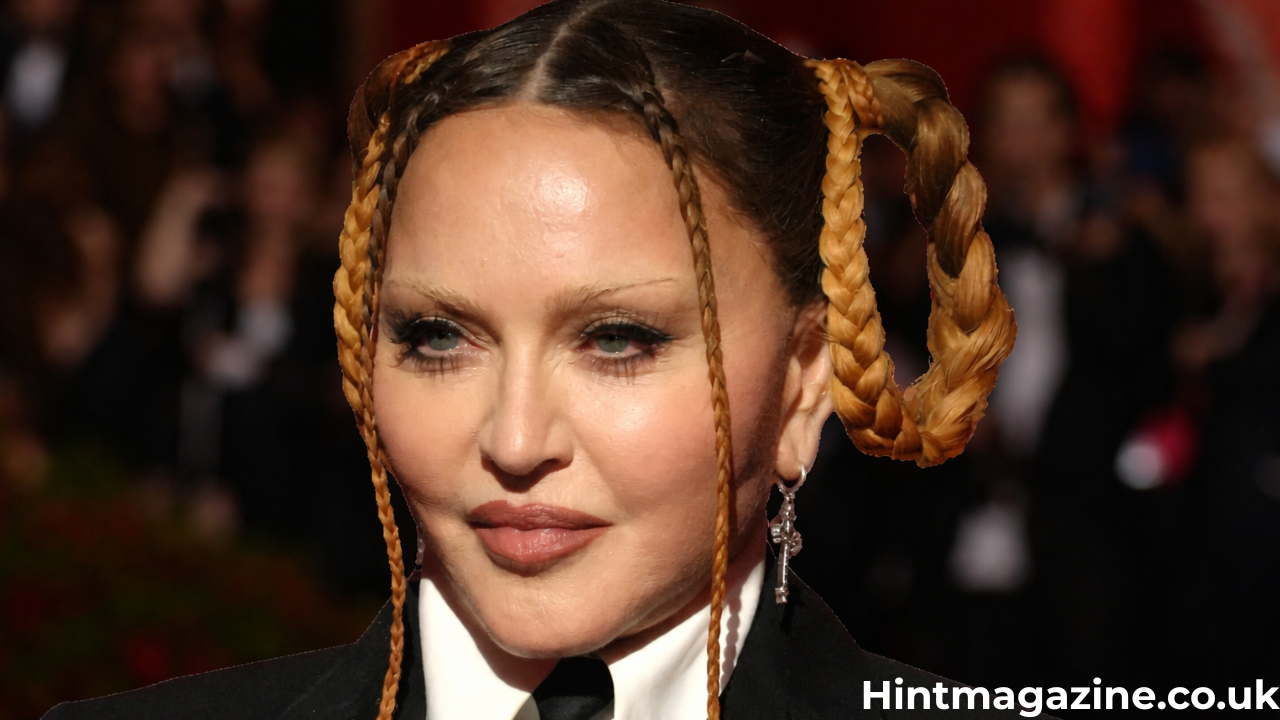

Madonna is one of the most influential figures in modern popular culture, a name that transcends music and enters the broader conversation of art, identity, and cultural change. Over several decades, she has continually reinvented herself, challenging norms and redefining what it means to be a global artist. Her career reflects not only commercial success but also an ongoing dialogue with society, where music, fashion, performance, and controversy intersect. Understanding Madonna means understanding how popular culture evolves, adapts, and reflects deeper social currents.
The Early Life and Foundations of an Icon
Madonna was born in Michigan and grew up in a large family shaped by discipline, education, and artistic curiosity. From a young age, she demonstrated a strong interest in performance and creative expression. Classical dance training played a crucial role in shaping her physical discipline and stage presence. This foundation later became a defining element of her performances, setting her apart from many of her contemporaries.
Her decision to move to New York City marked a turning point. With limited resources but a clear sense of ambition, she immersed herself in the city’s underground music and art scenes. These early struggles helped shape her resilience and independence, qualities that later defined her public image. The experience of navigating a competitive and often unforgiving environment gave her a unique perspective on fame, control, and self-determination.
Breaking into the Music Industry
Madonna’s entry into the music industry was not instantaneous. She experimented with different musical styles and collaborations before finding her voice in pop music. Early singles demonstrated an understanding of rhythm, dance culture, and accessibility, which quickly attracted attention. Her debut album introduced her as a fresh presence, blending dance beats with confident lyrics that resonated with young audiences.
What set her apart was not only the sound but also the attitude. Madonna presented herself as assertive and self-aware, challenging traditional expectations of female artists. She took control of her image and artistic direction, a move that was uncommon at the time. This control allowed her to build a consistent narrative around her work, where music, visuals, and performance reinforced one another.
Reinvention as a Career Strategy
One of the most defining aspects of Madonna’s career is her ability to reinvent herself. Each era of her music introduced a new aesthetic, sound, and thematic focus. Rather than relying on a single formula, she embraced change as a creative necessity. This approach kept her relevant in an industry known for rapid shifts in trends and tastes.
Reinvention also served as a form of artistic commentary. Through changing styles, Madonna explored themes of identity, gender, religion, power, and sexuality. These transformations were not random but carefully constructed narratives that reflected both personal growth and broader cultural conversations. By doing so, she positioned herself as both a participant in and a critic of popular culture.
Madonna and Cultural Controversy
Controversy has been a recurring element in Madonna’s career, often sparked by her willingness to confront sensitive topics. Music videos, stage performances, and public statements frequently challenged established norms. Rather than avoiding criticism, she often engaged with it, using controversy as a platform for dialogue.
This approach contributed to her reputation as a boundary-pusher. While critics sometimes accused her of provocation for its own sake, supporters argued that her work highlighted issues that society preferred to ignore. Over time, many of her once-controversial themes became more widely accepted, illustrating her influence on shifting cultural attitudes.
Artistic Control and Business Acumen
Beyond her creative output, Madonna is notable for her business intelligence. She understood early on that longevity in the entertainment industry required ownership and strategic planning. By negotiating favorable contracts and exploring ventures beyond music, she established herself as a powerful figure behind the scenes.
Her involvement in film, fashion, publishing, and live performance expanded her brand while maintaining artistic coherence. Each venture reinforced her image as a multifaceted creator rather than a single-genre performer. This strategic diversification contributed significantly to her sustained relevance and financial success.
The Role of Performance and Visual Storytelling
Live performance has always been central to Madonna’s artistic identity. Her concerts are known for their elaborate staging, choreography, and thematic structure. Rather than simply presenting songs, she crafts immersive experiences that tell stories and convey messages.
Visual storytelling extends beyond the stage into music videos and promotional imagery. Madonna consistently treated visuals as an extension of her music, understanding their power in shaping audience perception. This integrated approach helped redefine how artists use multimedia to build a cohesive artistic vision.
Influence on Fashion and Identity
Madonna’s impact on fashion is as significant as her influence on music. She popularized styles that blended street culture with high fashion, encouraging individuality and experimentation. Her willingness to adopt unconventional looks challenged traditional beauty standards and inspired fans to embrace self-expression.
Fashion, for Madonna, was not merely decorative. It functioned as a language through which she communicated ideas about freedom, rebellion, and empowerment. By constantly evolving her style, she demonstrated that identity is fluid and self-defined, a message that resonated strongly with diverse audiences.
Madonna’s Impact on Female Representation
Madonna played a crucial role in reshaping how women are represented in popular music. She presented herself as autonomous, ambitious, and unapologetic about desire and ambition. This portrayal challenged stereotypes and opened doors for future generations of female artists.
Her approach to empowerment was complex and sometimes polarizing. Rather than conforming to a single narrative, she embraced contradictions, presenting strength and vulnerability simultaneously. This complexity contributed to a broader conversation about agency and representation in the entertainment industry.
Adaptation in the Digital Age
As the music industry shifted toward digital platforms, Madonna adapted by experimenting with new distribution methods and audience engagement strategies. While remaining rooted in traditional album releases, she also embraced social media and digital storytelling to maintain connection with fans.
This adaptability underscores a broader pattern in her career. Rather than resisting change, she treats it as an opportunity for reinvention. By doing so, she remains part of contemporary conversations, even as new artists emerge and redefine the industry landscape.
Legacy and Long-Term Influence
Madonna’s legacy extends far beyond chart rankings and awards. She has influenced countless artists across genres, shaping approaches to performance, branding, and creative independence. Her career serves as a case study in longevity, illustrating how adaptability and vision can sustain relevance over decades.
Cultural scholars often cite Madonna as an example of how popular culture reflects and influences social change. Her work provides insight into evolving attitudes toward gender, sexuality, and power. This broader significance ensures that her impact will continue to be studied and discussed long after individual trends fade.
Conclusion
Madonna stands as a singular figure in the history of popular culture, defined by innovation, resilience, and an unwavering commitment to self-expression. Her career demonstrates that artistic success is not solely about talent but also about vision, adaptability, and courage. By continuously reinventing herself and engaging with cultural debates, she transformed pop music into a platform for broader social commentary.
The story of Madonna is ultimately a story of influence. Through music, performance, and identity, she reshaped expectations and expanded possibilities for artists who followed. Her journey illustrates how creativity, when combined with determination and strategic thinking, can leave a lasting mark on both art and society.