
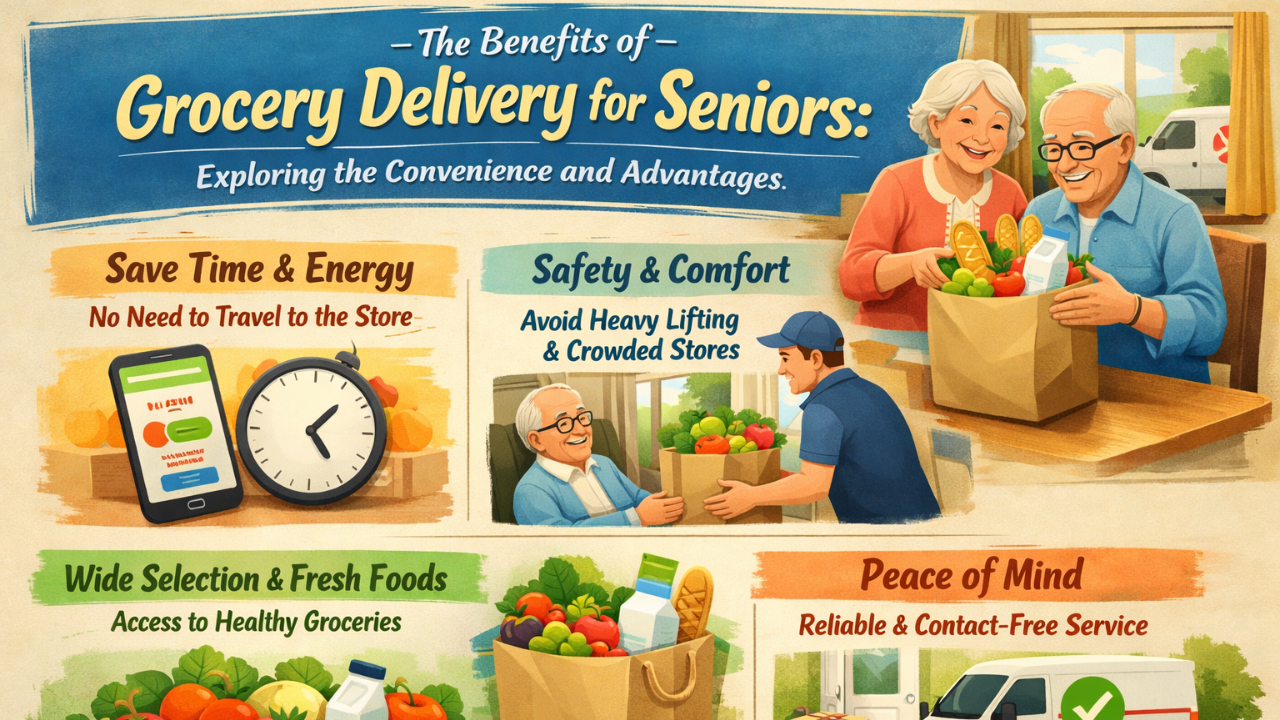

Seniors face various hurdles as they age, and grocery shopping can become one of them, posing both physical and logistical challenges. With the aging population expected to reach nearly 72 million by 2030, according to the Administration for Community Living, the demand for services that cater to the needs of seniors is rapidly increasing. Grocery delivery services are rising to the challenge, offering an essential service that combines convenience with care.
Grocery delivery services can substantially improve seniors’ quality of life by minimizing the time and effort involved in routine shopping. Below, we explore how these services not only alleviate day-to-day pressures but also contribute to the nutritional health and autonomy of the older population.
Enhancing Accessibility: Overcoming Mobility Challenges With Home Delivery
Grocery delivery stands as a beacon of accessibility for those seniors who face mobility challenges. Physical limitations, a common aspect of aging, can transform a simple supermarket trip into an ordeal. Home delivery is a liberating alternative.
By providing an efficient means to procure fresh groceries, these services help maintain independent living for seniors. The Centers for Disease Control and Prevention (CDC) highlights that one in four Americans aged 65 and older falls each year. Avoiding the risk of injury during what can be a strenuous activity is a substantial advantage of grocery delivery.
Seniors or their support networks can ease shopping challenges by arranging for regular grocery delivery for seniors, ensuring their home is always stocked with essential items without the physical strain of grocery shopping.
Streamlining Shopping: Grocery Delivery as a Time-Saving Solution for Seniors
For many seniors, grocery delivery can be a significant time-saver. These services eliminate the need to travel to and from the supermarket, navigate crowded aisles, and wait in long checkout lines—a process that could take hours out of a senior’s day.
With delivery options, seniors can now spend their valuable time on other activities such as hobbies, exercise, or social engagements. A staggering 43% of seniors report feeling lonely on a regular basis, according to a study by the University of California, San Francisco, and extra time could be directed toward combating such feelings of isolation.
To take advantage of this benefit, seniors or their caregivers can select a reliable delivery service that offers a straightforward ordering process, possibly with options to schedule regular deliveries, thus ensuring a consistent and hassle-free procurement of groceries.
Nutritional Well-Being: How Grocery Delivery Supports Healthy Eating for the Elderly
Healthy nutrition is vital at any age, but for seniors, it’s particularly important. Having groceries delivered can directly contribute to improved diet quality. This service allows for easy access to fresh fruits, vegetables, and other healthy options that might otherwise be difficult to obtain.
A study by the American Journal of Health Promotion indicates that home-delivered groceries have the potential to enhance dietary habits by increasing the frequency and variety of healthful foods consumed. This service is particularly beneficial for seniors with specific dietary needs.
Caregivers can assist by carefully selecting grocery items online, paying special attention to nutritional content and dietary restrictions. This proactive approach ensures that seniors can enjoy balanced meals that support their overall health.
Fostering Independence and Safety: The Role of Grocery Delivery Services in Senior Autonomy
Grocery delivery boosts seniors’ independence by empowering them to make their own food choices from the comfort of home. This autonomy can nurture their self-worth and improve mental well-being. Through online platforms, seniors can control their shopping experience without relying on others.
In addition to independence, grocery delivery enhances safety. Amidst concerns about illness or injury, especially during flu seasons or pandemics like COVID-19, minimizing exposure to crowded public spaces serves as a protective measure for the vulnerable elderly demographic.
When implementing a grocery delivery service for seniors, it’s beneficial to select options that prioritize safety. Services that offer contactless delivery and adhere to rigorous hygiene standards are ideal.
Ultimately, the growing trend of grocery delivery services for seniors is more than a convenience; it’s a lifeline that supports their safety, nutrition, and independence. This service not only accommodates the changing physical needs of the aging population but also respects their desire for autonomy. Adopting such services can pave the way for a more inclusive and considerate society that honors the needs of its senior members.