
Ozzy Osbourne: A Defining Force in Heavy Metal History 2026
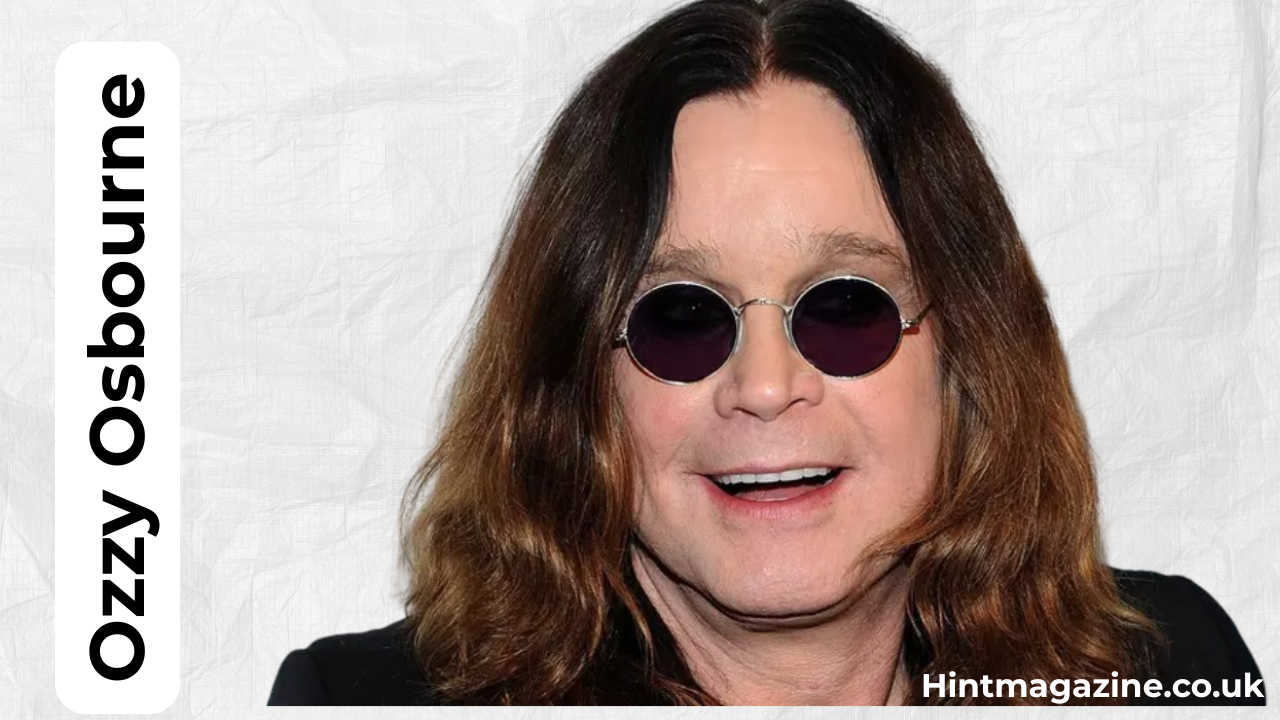
Few figures in modern music command the same level of recognition, controversy, and respect as Ozzy Osbourne. Over more than five decades, he has shaped the sound, culture, and mythology of heavy metal while maintaining a solo career that rivals the impact of his early band work. From the dark experiments of late-1960s Birmingham to global arenas packed with devoted fans, his journey reflects both the creative power and the personal cost of a life lived at the edge of popular music.
This article explores the full arc of Ozzy Osbourne’s career, examining how his artistry evolved, why his influence endures, and what his legacy means for contemporary music. Rather than focusing on sensational anecdotes alone, it places his work in historical and cultural context, offering a balanced, informative perspective on one of rock’s most enduring icons.
Early Life and Musical Roots
Ozzy Osbourne was born John Michael Osbourne in 1948 in Birmingham, England, a city defined at the time by industrial labor and post-war hardship. These surroundings played a critical role in shaping his musical sensibilities. The heavy machinery, factory rhythms, and working-class realities of Birmingham created an atmosphere that naturally lent itself to darker, heavier sounds.
As a teenager, Osbourne gravitated toward music as both an escape and a form of self-expression. He admired artists from the British Invasion, particularly bands that combined melodic songwriting with emotional intensity. This blend of melody and heaviness would later become a defining characteristic of his own work. Despite limited formal training, he possessed a distinctive vocal tone that cut through dense instrumentation, a quality that would prove essential in the years ahead.
The Birth of Heavy Metal
In the late 1960s, Ozzy Osbourne joined forces with guitarist Tony Iommi, bassist Geezer Butler, and drummer Bill Ward to form a band that would soon redefine rock music. Initially experimenting with blues-based rock, the group gradually shifted toward darker themes and heavier sounds, influenced by horror imagery, occult symbolism, and social anxiety.
This transformation marked the birth of heavy metal as a distinct genre. The band’s early recordings introduced slow, crushing riffs, ominous lyrics, and an atmosphere that contrasted sharply with the optimism of much 1960s pop music. Osbourne’s voice, often described as eerie yet melodic, became a central element in translating these ideas into compelling songs.
The success of these early albums was not immediate, but their long-term influence proved enormous. Musicians across genres later cited this period as foundational, crediting the band’s sound with opening new creative possibilities for heavy music.
Artistic Identity and Vocal Style
Ozzy Osbourne’s vocal approach has always been unconventional. Rather than relying on technical virtuosity, he emphasized clarity, emotion, and atmosphere. His singing often floats above heavy instrumentation, creating a contrast that enhances both the melody and the underlying riffs.
This balance between accessibility and darkness allowed his music to reach audiences beyond traditional rock fans. Listeners who might have found the instrumentation overwhelming were drawn in by his recognizable voice and memorable hooks. Over time, this accessibility became a defining strength, helping his work remain relevant across changing musical trends.
Lyrically, Osbourne’s songs frequently explore themes of alienation, fear, and resilience. While often misinterpreted as purely sinister, these themes reflect broader human concerns, making the music relatable even when wrapped in dramatic imagery.
Transition to a Solo Career
After parting ways with his original band in the late 1970s, Ozzy Osbourne embarked on a solo career that many initially doubted. The transition, however, marked a creative rebirth. Collaborating with innovative musicians, he refined his sound while preserving the heaviness that defined his earlier work.
His early solo albums demonstrated a renewed focus on songwriting structure and melodic clarity. Guitarists played a particularly important role during this period, bringing technical precision and stylistic diversity to the music. These collaborations helped Osbourne reach new audiences and solidify his status as a solo artist rather than merely a former band member.
Commercial success followed quickly, with albums achieving strong sales and tours drawing large crowds. This period established him as one of the few artists capable of reinventing himself without abandoning his core identity.
Cultural Impact and Public Persona
Ozzy Osbourne’s influence extends beyond music into popular culture at large. His public persona, often portrayed as unpredictable and eccentric, contributed to his mythic status. Media coverage frequently focused on dramatic moments, reinforcing his image as a larger-than-life figure.
Yet this persona also served a strategic function. By embracing controversy rather than avoiding it, Osbourne remained a constant presence in public discourse. This visibility helped sustain interest in his music during periods when heavy metal faced shifting trends and competition from emerging genres.
Importantly, his openness about personal struggles added depth to this public image. Rather than diminishing his credibility, these admissions humanized him, allowing fans to connect with his experiences on a personal level.
Family, Media, and a New Audience
In the early 2000s, Ozzy Osbourne reached an entirely new generation through reality television. The show featuring his family offered a candid look at his life away from the stage, revealing a humorous and surprisingly grounded side.
This exposure expanded his audience far beyond traditional rock listeners. Younger viewers and casual fans discovered his music through the show, while long-time followers gained a deeper understanding of the person behind the legend. The result was a rare cultural crossover, blending heavy metal history with mainstream entertainment.
Rather than overshadowing his musical achievements, this period reinforced his relevance. It demonstrated that his appeal extended beyond sound alone, rooted in personality, authenticity, and resilience.
Musical Evolution in Later Years
As his career progressed, Ozzy Osbourne continued to adapt. Later albums reflect a willingness to collaborate with contemporary producers and musicians, integrating modern production techniques without sacrificing the essence of his sound.
These releases often balance nostalgia with innovation. Familiar themes and vocal styles anchor the music, while updated arrangements and influences keep it current. This approach allowed him to remain competitive in an industry that often sidelines veteran artists.
Critical reception during this phase highlighted his consistency. While trends came and went, his commitment to quality songwriting and performance remained steady, reinforcing his reputation as a dependable creative force.
Influence on Future Generations
The impact of Ozzy Osbourne on subsequent musicians is difficult to overstate. Artists across heavy metal, hard rock, and even alternative genres cite his work as formative. His emphasis on mood, melody, and theatricality influenced not only sound but also stage presentation.
Beyond specific musical techniques, his career offers a broader lesson in longevity. By embracing change while honoring tradition, he demonstrated how artists can evolve without losing identity. This balance continues to inspire musicians navigating the challenges of long-term relevance.
Festivals, tribute performances, and cover versions regularly celebrate his contributions, underscoring the enduring resonance of his work.
Health, Resilience, and Public Reflection
In recent years, Ozzy Osbourne has spoken openly about health challenges that affected his ability to tour and perform. Rather than retreating from public life, he addressed these issues directly, emphasizing perseverance and gratitude.
This transparency strengthened his bond with fans. It reframed his legacy not merely as one of excess or spectacle, but as a story of endurance. His willingness to confront limitations while continuing to create reflects a deep commitment to his craft.
Even as live performances became less frequent, his influence remained visible through recordings, collaborations, and public appearances.
Legacy in the History of Music
Assessing Ozzy Osbourne’s legacy requires considering both his artistic output and cultural significance. Musically, he helped define heavy metal and demonstrated its capacity for melody, emotion, and mass appeal. Culturally, he challenged norms, expanded the boundaries of acceptable expression, and normalized conversations about personal struggle within the music industry.
Awards, honors, and institutional recognition reflect this impact, but his true legacy lies in the countless artists and fans shaped by his work. The songs continue to resonate because they address universal themes through a distinctive voice.
Conclusion
Ozzy Osbourne’s career stands as a testament to creative persistence. From industrial Birmingham to global stages, he transformed personal experience into music that continues to inspire and provoke. His ability to evolve, confront adversity, and remain authentic has ensured his place in music history.
More than a symbol of heavy metal, he represents the power of individuality in art. As new generations discover his work, his influence remains as relevant as ever, reminding audiences that true originality transcends time, trends, and expectations.