
Pomerusky: A Comprehensive Guide to the Pomeranian–Husky Hybrid
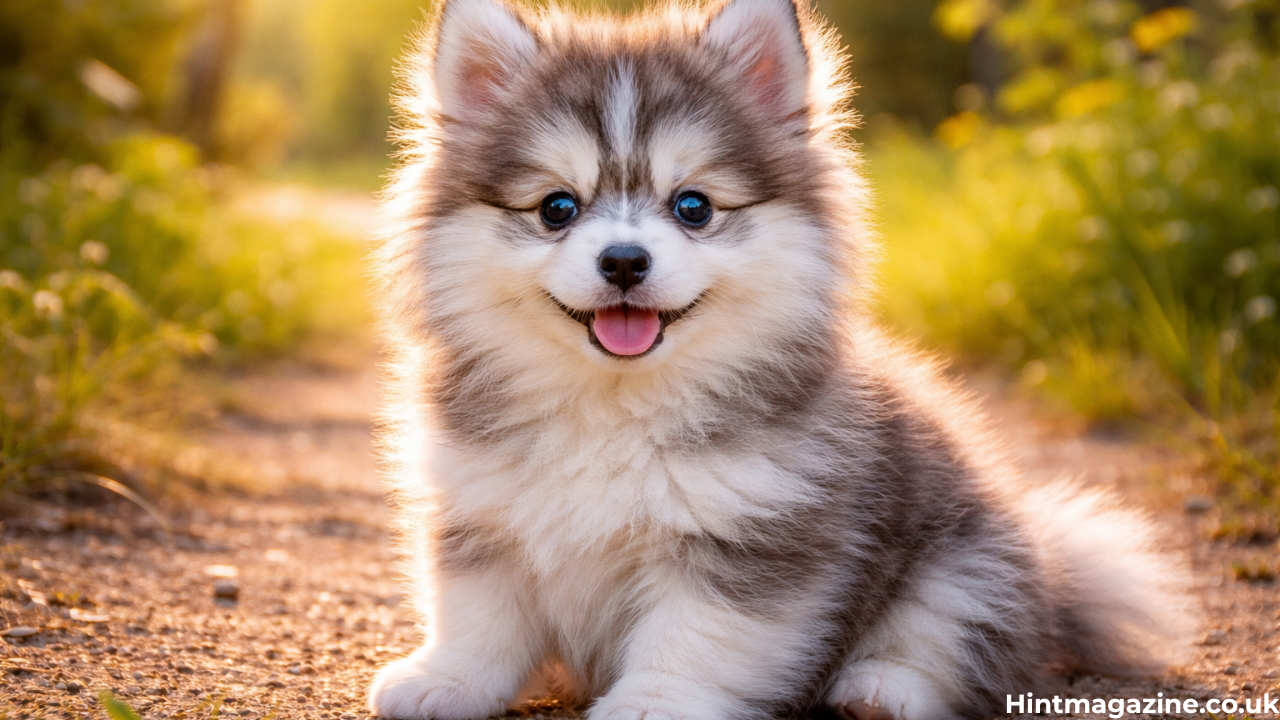
The modern world of designer dogs continues to attract attention from pet lovers seeking unique companions that combine beauty, intelligence, and personality. Among these emerging hybrids, the pomerusky has gained notable interest. This crossbreed, created by combining the lively Pomeranian with the striking Siberian Husky, represents an intriguing blend of size, temperament, and appearance. While still relatively rare, this hybrid reflects the growing trend of intentional crossbreeding aimed at balancing desirable traits from two well-known breeds.
This article provides a detailed, informative overview of the pomerusky, covering its origins, physical characteristics, temperament, care requirements, and suitability for different lifestyles. The goal is to present a balanced, human-written guide that helps readers understand what makes this hybrid distinct and what responsibilities come with owning one.
Understanding the Origins of the Pomerusky
The pomerusky is a hybrid dog developed by crossing a Pomeranian with a Siberian Husky. Like many designer breeds, it does not have a long-established history. Instead, its emergence is tied to modern breeding practices that focus on combining complementary traits rather than maintaining purebred lineage.
The Pomeranian originates from larger Arctic spitz dogs and was refined over centuries into a small companion breed known for its alertness and expressive personality. The Siberian Husky, on the other hand, has roots in Northeast Asia, where it was bred for endurance, strength, and teamwork in harsh climates. When these two breeds are crossed, the resulting offspring can vary significantly, as genetics play a major role in determining physical and behavioral outcomes.
Because the pomerusky is not recognized by major kennel clubs, its standards are not formally defined. However, this lack of rigid criteria allows for diversity in appearance and temperament, which many enthusiasts find appealing.
Physical Characteristics and Appearance
One of the most captivating aspects of the pomerusky is its unpredictable appearance. Depending on which parent’s traits are more dominant, the dog may lean toward a compact, fluffy look or display more pronounced Husky-like features.
Size and Build
Most pomerusky dogs fall into the small-to-medium size category. They are typically larger than a Pomeranian but significantly smaller than a Siberian Husky. Their build often reflects a balanced frame, combining the sturdiness of the Husky with the lighter structure of the Pomeranian.
Coat and Color Variations
The coat is usually thick and double-layered, providing insulation similar to both parent breeds. Coat length may range from medium to long, often appearing plush and soft. Common colors include white, black, gray, brown, cream, and various mixed patterns. Some individuals inherit the Husky’s facial markings, which add to their visual appeal.
Facial Features
Facial expressions tend to be expressive and alert. Ears are commonly erect, though their size and shape may vary. Eye color is another striking feature, as some pomerusky dogs inherit the Husky’s blue eyes or even heterochromia, while others display darker shades.
Temperament and Personality Traits
The pomerusky is known for its energetic and engaging personality. While individual behavior depends on genetics, training, and environment, certain traits are commonly observed.
Intelligence and Curiosity
Both parent breeds are intelligent, which often results in a quick-learning hybrid. The pomerusky typically responds well to positive reinforcement and mental stimulation. However, intelligence can also mean independence, so consistent training is essential.
Social Nature
This hybrid is generally affectionate and enjoys companionship. It may form strong bonds with its family and seek attention regularly. Early socialization helps ensure positive interactions with children, other pets, and unfamiliar people.
Energy Levels
Energy levels are usually moderate to high. While not as demanding as a full-sized Husky, the pomerusky still requires regular physical activity to remain healthy and content. Without adequate exercise, boredom-related behaviors may emerge.
Training and Behavioral Development
Training plays a crucial role in shaping a well-adjusted pomerusky. Because the breed combines two distinct temperaments, early guidance helps balance enthusiasm with discipline.
Early Training Importance
Introducing basic commands and routines at a young age establishes structure and trust. Short, engaging training sessions tend to be most effective, as they align with the breed’s attention span.
Socialization Strategies
Exposure to different environments, sounds, and experiences during puppyhood builds confidence. This approach reduces the likelihood of fear-based behaviors later in life and encourages adaptability.
Managing Stubborn Tendencies
Occasional stubbornness may arise, particularly if Husky traits are prominent. Patience and consistency are key. Harsh methods are not recommended, as they can negatively affect the dog’s willingness to learn.
Exercise and Activity Requirements
Although smaller than a Husky, the pomerusky still benefits from an active lifestyle. Regular movement supports physical health and mental well-being.
Daily walks, interactive play sessions, and puzzle toys provide adequate stimulation. Access to a secure outdoor space allows for safe exploration, though supervision is advised due to the breed’s curiosity.
Mental enrichment is equally important. Activities that challenge problem-solving skills help prevent boredom and reinforce positive behavior patterns.
Grooming and Maintenance Needs
The pomerusky’s coat requires consistent care to maintain its appearance and comfort.
Coat Care
Brushing several times a week helps manage shedding and prevents matting. During seasonal shedding periods, more frequent grooming may be necessary. Using appropriate tools designed for double coats improves effectiveness.
Bathing and Hygiene
Bathing should be done as needed, using gentle dog-specific shampoos. Overbathing can strip natural oils, so moderation is recommended. Routine ear checks, nail trimming, and dental care contribute to overall health.
Health Considerations and Lifespan
Hybrid dogs often benefit from genetic diversity, which may reduce the risk of certain inherited conditions. However, the pomerusky can still be prone to health issues associated with its parent breeds.
Common Health Concerns
Potential concerns include dental issues, joint problems, eye conditions, and skin sensitivities. Regular veterinary checkups support early detection and management.
Lifespan Expectations
With proper care, a pomerusky may enjoy a lifespan ranging from 12 to 15 years. Nutrition, exercise, and preventive healthcare significantly influence longevity.
Nutrition and Dietary Needs
Balanced nutrition is essential for maintaining energy levels and supporting growth. Diets rich in high-quality protein, healthy fats, and essential vitamins are recommended.
Portion control is important, especially given the breed’s moderate size. Overfeeding may lead to weight gain, which can strain joints and affect overall health. Consulting a veterinarian helps tailor dietary plans to individual needs.
Living Environment and Lifestyle Compatibility
The pomerusky adapts well to various living situations, provided its needs are met. It can thrive in apartments or houses, as long as daily exercise and mental stimulation are consistent.
This hybrid is well-suited for individuals or families who enjoy interactive companionship. Those with active lifestyles often find the pomerusky to be an engaging partner. However, prospective owners should be prepared for regular grooming and attention.
Ethical Considerations and Responsible Ownership
Choosing a pomerusky involves responsibility. Prospective owners should research breeders carefully, ensuring ethical practices and proper care for parent dogs and puppies.
Adoption may also be an option, as some hybrid dogs find themselves in shelters. Responsible ownership includes long-term commitment, training, healthcare, and emotional support.
Conclusion
The pomerusky represents a fascinating combination of two beloved breeds, offering a balance of charm, intelligence, and vitality. Its distinctive appearance and engaging personality make it appealing to dog enthusiasts seeking something unique. However, this hybrid also requires dedication, consistent training, and attentive care.
Understanding the pomerusky’s needs is essential for building a rewarding relationship. With the right environment and commitment, this hybrid can become a loyal companion that brings energy and affection into everyday life. By approaching ownership thoughtfully and responsibly, prospective owners can ensure a positive experience for both themselves and their canine companion.