Tech Giants Envision Future Beyond Smartphones
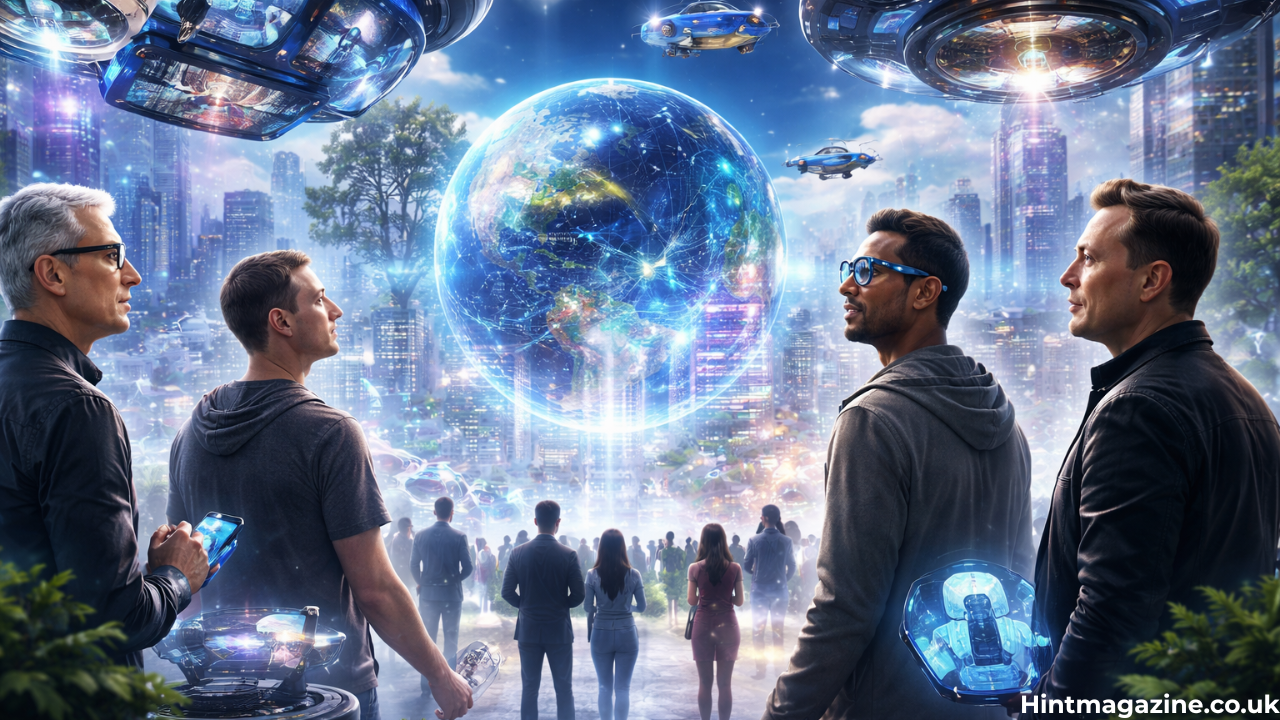
For more than a decade, smartphones have been the defining technology of the digital age. They reshaped communication, commerce, entertainment, and even social behavior. However, as innovation matures and markets reach saturation, tech giants envision future beyond smartphones as the next major technological evolution. Leading companies are increasingly aware that incremental upgrades to mobile devices are no longer enough to drive long-term growth or inspire users. As a result, the global technology industry is actively exploring new platforms, interfaces, and ecosystems that could eventually redefine how humans interact with digital systems.
This transition is not about abandoning smartphones overnight. Instead, it reflects a strategic shift toward complementary and potentially successor technologies that integrate more seamlessly into daily life. From artificial intelligence-driven experiences to immersive realities and ambient computing, the vision extends far beyond handheld screens. Understanding this transformation offers valuable insight into where innovation is headed and how society may adapt to a post-smartphone world.
Why the Smartphone Era Is Reaching Its Limits
Market Saturation and Slowing Innovation
Smartphone adoption has reached near-universal levels in many regions. Most consumers already own capable devices, and replacement cycles are growing longer. Hardware improvements, while impressive, often feel incremental rather than revolutionary. Faster processors, better cameras, and refined designs no longer generate the same excitement they once did. This environment encourages technology leaders to search for entirely new categories that can unlock fresh demand and redefine user expectations.
Changing User Behavior and Digital Fatigue
Users are becoming more conscious of screen time and its impact on mental health, productivity, and social interaction. Constant notifications and prolonged phone usage have contributed to digital fatigue. As awareness grows, demand increases for technology that feels less intrusive and more supportive. This shift aligns closely with how tech giants envision future beyond smartphones, focusing on tools that work in the background rather than dominating attention.
Artificial Intelligence as the Core of the Next Era
From Apps to Intelligent Systems
Artificial intelligence is rapidly moving from a supporting feature to the foundation of digital experiences. Instead of relying on dozens of separate applications, users may soon interact with unified AI systems that anticipate needs, manage tasks, and provide context-aware assistance. Voice-based interfaces, predictive automation, and real-time personalization reduce reliance on screens while increasing efficiency.
Ambient and Contextual Computing
AI enables ambient computing, where technology fades into the environment and responds naturally to human behavior. Smart assistants embedded in homes, vehicles, and workplaces can coordinate schedules, control environments, and deliver information only when relevant. This approach reflects how tech giants envision future beyond smartphones by shifting interaction from deliberate actions to intuitive experiences.
Wearable Technology and Human-Centered Design
Beyond Smartwatches and Fitness Bands
Wearables are evolving from simple trackers into sophisticated extensions of the human body. Smart glasses, health-monitoring devices, and neural interfaces are under development to provide continuous insights without requiring constant attention. These tools emphasize convenience, health, and accessibility while reducing dependence on handheld devices.
Health, Wellness, and Preventive Care
One of the most promising areas for wearables is healthcare. Advanced sensors can monitor vital signs, detect anomalies, and provide early warnings for medical conditions. By integrating AI and biometric data, technology becomes a proactive partner in well-being. This human-centered focus supports the broader goal of creating technology that enhances life rather than distracts from it.
Extended Reality and Immersive Experiences
Augmented Reality as a Practical Interface
Augmented reality overlays digital information onto the physical world, blending virtual elements with real environments. Unlike smartphones, which require users to look down at screens, AR allows information to appear naturally within the field of view. Navigation, training, design, and collaboration can become more intuitive through spatial computing.
Virtual Reality and the Evolution of Digital Spaces
Virtual reality continues to mature, offering immersive environments for work, education, and entertainment. While current VR systems still rely on headsets and controllers, future iterations aim to be lighter, more comfortable, and more integrated into everyday life. These developments illustrate how tech giants envision future beyond smartphones by creating entirely new digital spaces rather than smaller screens.
The Rise of Connected Ecosystems
Seamless Integration Across Devices
The future of technology lies not in a single dominant device but in interconnected ecosystems. Smartphones may become one component among many, coordinating with wearables, smart home systems, vehicles, and cloud platforms. The emphasis shifts from individual products to cohesive experiences that adapt across contexts.
Data, Privacy, and Trust
As ecosystems expand, responsible data management becomes increasingly important. Trust will be a key differentiator for companies leading this transition. Transparent privacy practices, secure infrastructure, and user control over data are essential for widespread adoption. Tech leaders recognize that innovation must be balanced with ethical responsibility to sustain long-term success.
Transportation, Smart Cities, and Edge Computing
Intelligent Mobility Solutions
Advancements in autonomous vehicles, connected transportation, and smart infrastructure represent another dimension of the post-smartphone vision. Vehicles equipped with AI and sensors can become interactive environments rather than simple modes of transport. Information delivery, navigation, and communication may shift seamlessly into these spaces, reducing the need for personal devices.
Processing Power at the Edge
Edge computing allows data to be processed closer to its source, reducing latency and improving reliability. This capability supports real-time applications such as smart traffic systems, industrial automation, and responsive urban services. By embedding intelligence into infrastructure, technology becomes an invisible but essential layer of modern life.
Challenges in Moving Beyond Smartphones
Technological and Social Barriers
Despite ambitious visions, significant challenges remain. New devices must be affordable, reliable, and easy to use. Social acceptance also plays a role, as people may resist technologies perceived as invasive or uncomfortable. Balancing innovation with user comfort is critical to ensuring adoption.
Regulation and Ethical Considerations
Emerging technologies raise complex regulatory and ethical questions. Issues such as data ownership, surveillance, and algorithmic bias require careful oversight. Governments, companies, and civil society must collaborate to establish frameworks that protect users while encouraging innovation.
How Businesses and Consumers Can Prepare
Adapting Business Strategies
Organizations should begin preparing for a future where mobile-first strategies evolve into experience-first approaches. Investing in AI, immersive technologies, and cross-platform integration can help businesses remain competitive. Understanding how tech giants envision future beyond smartphones provides valuable guidance for long-term planning.
Developing Digital Literacy
For consumers, adaptability and digital literacy will be essential. Learning to interact with new interfaces, understanding data rights, and maintaining healthy relationships with technology will shape individual experiences in the coming years. Education systems and workplaces can play a role in facilitating this transition.
Conclusion
The smartphone has been one of the most influential inventions of modern history, but it is no longer the final destination of technological progress. As innovation accelerates, tech giants envision future beyond smartphones that is more intelligent, immersive, and seamlessly integrated into daily life. Artificial intelligence, wearables, extended reality, and connected ecosystems collectively point toward a world where technology supports human needs without demanding constant attention.
This shift represents not the end of smartphones, but their evolution into a broader digital landscape. The coming years will likely redefine how people communicate, work, and experience the world around them. By understanding these trends today, businesses, policymakers, and individuals can better navigate a future shaped by technology that is more ambient, adaptive, and human-centered than ever before.