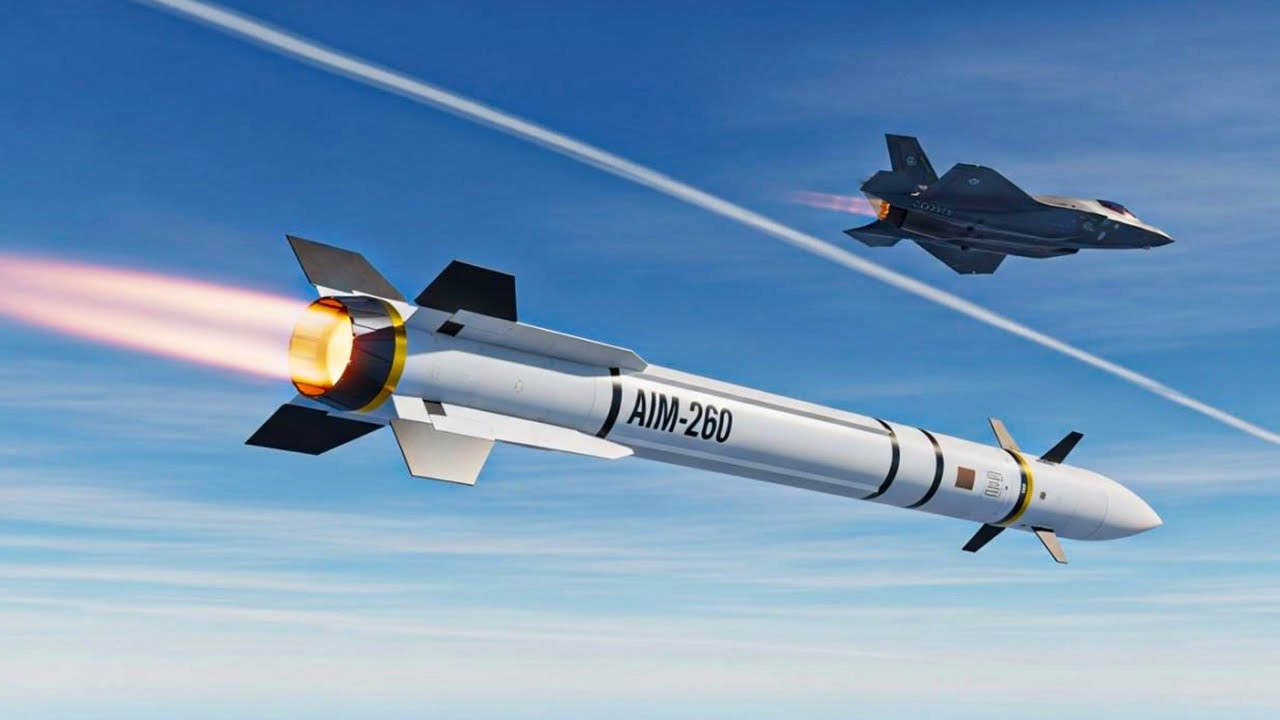
Missiles are among the most advanced and powerful technologies used in modern defense systems. Designed to travel long distances with precision, missiles play a crucial role in military operations, national security, and strategic defense. Over the decades, missile technology has evolved significantly, becoming faster, smarter, and more accurate than ever before.
From protecting nations against aerial threats to supporting military missions, missiles have transformed the way modern warfare is conducted. While the subject can seem complex, understanding the basics of missile technology helps explain why these systems are so important in today’s world.
In this guide, we’ll explore what missiles are, how they work, the different types of missiles, their history, and the future of missile technology.
Table of Contents
What Is a Missile?
A missile is a self-propelled vehicle designed to travel through the air, space, or water and deliver a payload to a specific target. Most modern missiles use guidance systems that help them navigate accurately toward their destination.
Unlike simple rockets, guided missiles can adjust their flight path during travel, improving accuracy and effectiveness.
Missiles are commonly used for:
- National defense
- Air defense systems
- Naval operations
- Strategic deterrence
- Military support missions
Modern missiles combine propulsion, guidance, navigation, and control systems to reach targets with remarkable precision.
A Brief History of Missiles
The concept of missiles dates back centuries.
Early Rocket Technology
The earliest forms of rocket-powered weapons appeared in ancient China, where gunpowder rockets were used for military purposes.
World War II
Modern missile development accelerated during World War II. Germany developed the V-2 rocket, considered one of the first long-range guided ballistic missiles.
The V-2 represented a major technological breakthrough and influenced future missile programs worldwide.
Cold War Era
During the Cold War, missile technology advanced rapidly.
Countries developed:
- Intercontinental ballistic missiles (ICBMs)
- Cruise missiles
- Surface-to-air missiles
- Submarine-launched missiles
These systems became important components of national defense strategies.
Modern Missile Systems
Today’s missiles incorporate advanced electronics, satellite navigation, radar systems, and sophisticated guidance technologies that greatly improve accuracy and reliability.
How Do Missiles Work?
Although missile systems vary widely, most operate using four essential components.
Propulsion System
The propulsion system provides the force needed to move the missile.
Common propulsion methods include:
- Solid-fuel rocket motors
- Liquid-fuel rocket engines
- Jet engines
This system determines the missile’s speed and range.
Guidance System
Guidance systems help direct the missile toward its target.
Modern guidance methods may use:
- GPS navigation
- Radar guidance
- Infrared tracking
- Laser guidance
- Satellite-based systems
Control System
Control surfaces and onboard computers adjust the missile’s flight path during travel.
These systems help maintain stability and accuracy.
Payload
The payload is the component delivered to the target.
Payloads may vary depending on the missile’s intended purpose.
Types of Missiles
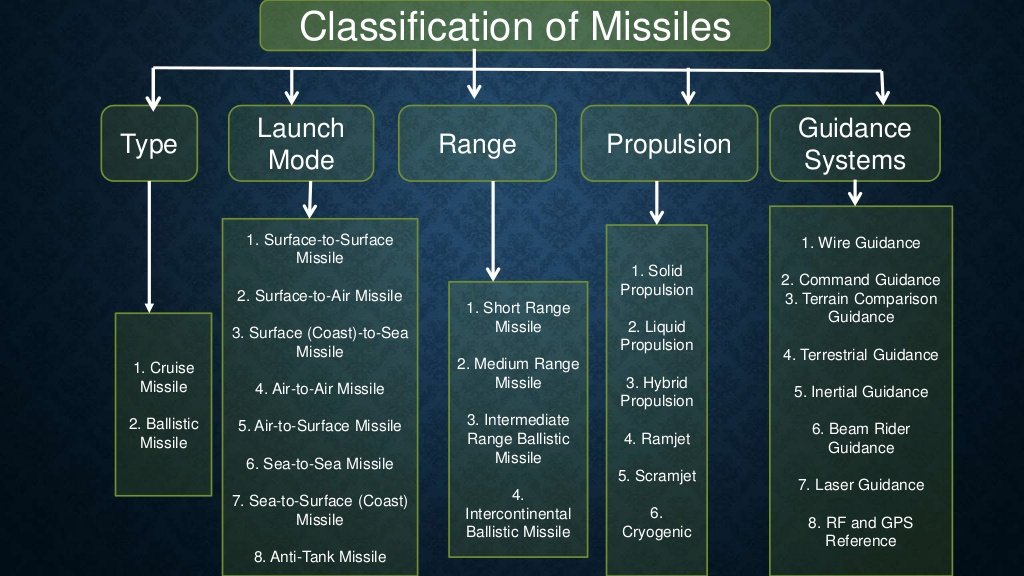
Missiles are classified based on their launch platform, target type, and mission role.
Surface-to-Air Missiles (SAMs)
Surface-to-air missiles are designed to intercept aircraft, drones, helicopters, and other aerial threats.
Their primary purpose is air defense.
Common characteristics include:
- Fast response times
- Advanced radar tracking
- High interception accuracy
Air-to-Air Missiles
These missiles are launched from aircraft and used to engage other aircraft.
Modern air-to-air missiles often feature:
- Long-range engagement capability
- Advanced tracking systems
- High maneuverability
They play a key role in achieving air superiority.
Air-to-Surface Missiles
Air-to-surface missiles are launched from aircraft against ground targets.
They are often used for:
- Precision strikes
- Military support missions
- Strategic operations
Their accuracy helps minimize unintended damage.
Surface-to-Surface Missiles
Surface-to-surface missiles are launched from land-based systems and target locations on the ground.
They can vary significantly in range and mission type.
Anti-Ship Missiles
These missiles are specifically designed to target naval vessels.
Features often include:
- Sea-skimming flight paths
- Radar guidance
- Long operational range
They are important components of modern naval warfare.
Ballistic Missiles vs. Cruise Missiles
Two major missile categories are ballistic missiles and cruise missiles.
Ballistic Missiles
Ballistic missiles follow a high-arching flight path after launch.
Characteristics include:
- Extremely long ranges
- High speeds
- Spaceflight phases
Some ballistic missiles can travel thousands of kilometers.
Cruise Missiles
Cruise missiles fly at lower altitudes and use continuous propulsion throughout their flight.
Advantages include:
- Precision targeting
- Terrain-following capabilities
- Lower radar visibility
Cruise missiles are often used for highly accurate strikes.
Key Technologies Used in Modern Missiles
Missile technology has advanced significantly in recent decades.
GPS Navigation
Global Positioning System technology improves targeting accuracy by providing precise location data.
Radar Systems
Radar allows missiles to detect, track, and engage moving targets.
Infrared Sensors
Infrared-guided missiles track heat signatures generated by engines and other sources.
Artificial Intelligence
Emerging technologies are helping improve:
- Target recognition
- Flight path optimization
- Threat assessment
AI may play a larger role in future missile systems.
The Role of Missiles in National Defense
Missiles serve multiple functions in modern defense strategies.
Deterrence
Missile capabilities can discourage potential aggression by demonstrating defensive strength.
Air Defense
Missile defense systems help protect against airborne threats.
Strategic Security
Long-range missile systems contribute to national security planning and defense readiness.
Military Support
Missiles provide precision engagement capabilities that support military operations when necessary.
Missile Defense Systems
As missile technology advances, missile defense systems have also become more sophisticated.
These systems are designed to detect, track, and intercept incoming threats.
Key components often include:
- Radar networks
- Tracking satellites
- Interceptor missiles
- Command and control systems
Effective missile defense requires rapid response and highly accurate targeting.
Future Trends in Missile Technology
Missile systems continue evolving rapidly.
Hypersonic Missiles
Hypersonic missiles can travel at speeds greater than five times the speed of sound.
Potential advantages include:
- Faster response times
- Reduced interception opportunities
- Increased maneuverability
Improved Precision
Future systems will likely offer even greater targeting accuracy.
Enhanced Guidance Systems
Advanced sensors and navigation technologies will improve reliability and effectiveness.
Network Integration
Future missiles may operate within highly connected defense networks that share information in real time.
Challenges in Missile Development
Developing advanced missile systems presents several challenges.
Technical Complexity
Modern missiles require sophisticated engineering and extensive testing.
Cost
Research, development, and maintenance can require significant investment.
Countermeasure Technologies
As missile systems improve, defense systems also evolve to counter emerging threats.
International Security Concerns
Missile technology remains an important topic in international diplomacy and security discussions.
Final Thoughts
Missiles are among the most sophisticated technologies in modern defense systems. Combining advanced propulsion, navigation, and guidance technologies, they play a crucial role in national security and military operations around the world.
From air defense systems to long-range strategic capabilities, missiles continue evolving as technology advances. New developments such as hypersonic flight, artificial intelligence, and enhanced guidance systems are expected to shape the next generation of missile technology.
Understanding how missiles work provides valuable insight into modern defense strategies, aerospace engineering, and the technological innovations that continue to influence global security in the 21st century.
For More Please Visit : hintmagazine.co.uk