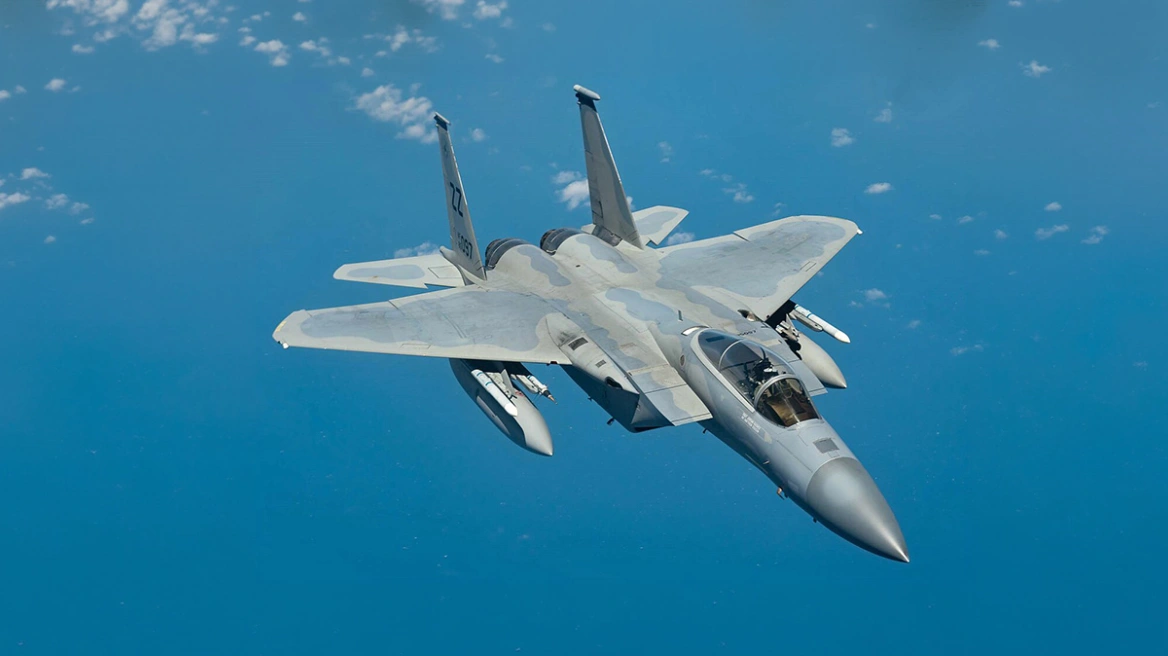
Few machines capture the imagination quite like fighter aircraft. With their incredible speed, advanced technology, and vital role in national defense, fighter jets represent some of the most sophisticated engineering achievements ever created.
From the propeller-driven fighters of World War II to today’s stealth aircraft capable of flying at supersonic speeds, fighter aircraft have evolved dramatically over the years. These powerful machines play a crucial role in protecting airspace, supporting military operations, and maintaining national security.
In this guide, we’ll explore what fighter aircraft are, how they work, their history, key technologies, and some of the most famous fighter jets in the world.
Table of Contents
What Is a Fighter Aircraft?
A fighter aircraft is a military airplane specifically designed for air-to-air combat against other aircraft. Modern fighter jets are also capable of performing additional missions such as ground attacks, reconnaissance, and air defense.
The primary objectives of fighter aircraft include:
- Gaining air superiority
- Defending national airspace
- Intercepting enemy aircraft
- Escorting military assets
- Supporting ground forces
Today’s fighter aircraft are equipped with advanced radar systems, sophisticated weapons, and cutting-edge avionics that make them highly effective in complex combat environments.
A Brief History of Fighter Aircraft
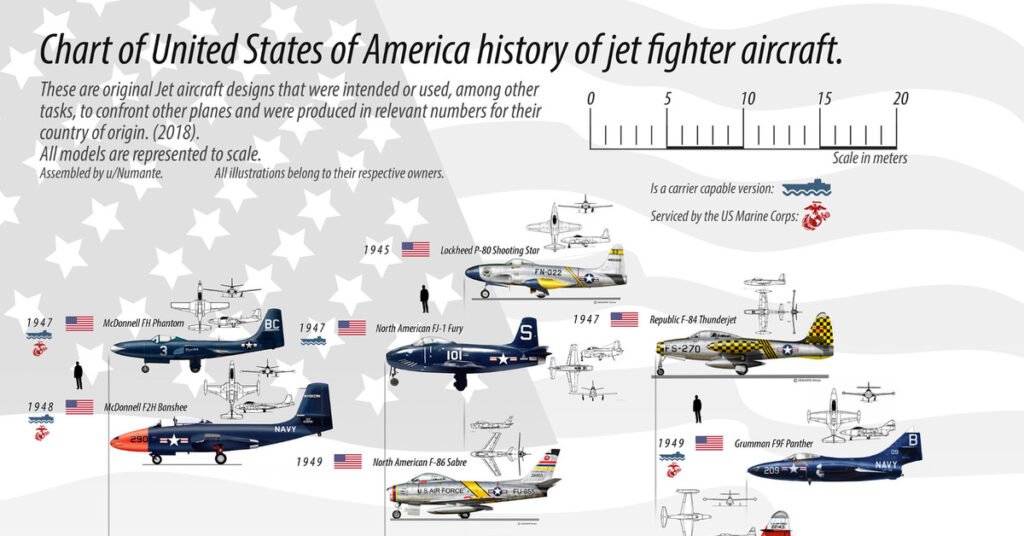
The development of fighter aircraft began during World War I when military forces first recognized the strategic importance of controlling the skies.
World War I
Early fighter planes were relatively simple aircraft armed with machine guns. Pilots often engaged in close-range aerial battles known as dogfights.
World War II
Fighter aircraft became faster, stronger, and more heavily armed. Legendary aircraft such as the Spitfire and Mustang played major roles during the war.
The Jet Age
After World War II, jet engines revolutionized military aviation. Fighter aircraft could now fly faster and higher than ever before.
Modern Era
Today’s fighter jets feature stealth technology, advanced sensors, artificial intelligence support systems, and precision-guided weapons.
The evolution of fighter aircraft continues as nations invest in next-generation military aviation programs.
Key Features of Modern Fighter Aircraft
Modern fighter jets are technological marvels packed with advanced systems.
High-Speed Performance
Fighter aircraft are designed to operate at extremely high speeds.
Many modern jets can exceed:
- Mach 1 (speed of sound)
- Mach 2
- Mach 2.5 or higher
This speed allows pilots to respond quickly to threats and complete missions efficiently.
Advanced Radar Systems
Radar technology enables pilots to detect and track targets at long distances.
Modern radar systems provide:
- Target identification
- Threat detection
- Navigation assistance
- Missile guidance support
Stealth Technology
Many modern fighter aircraft are built with stealth capabilities that reduce detection by enemy radar systems.
Stealth features include:
- Special aircraft shapes
- Radar-absorbing materials
- Reduced heat signatures
Stealth technology significantly improves survivability during combat operations.
Precision Weapons
Today’s fighter jets carry a variety of advanced weapons, including:
- Air-to-air missiles
- Air-to-ground missiles
- Precision-guided bombs
- Cannons
These systems allow pilots to engage targets with remarkable accuracy.
Types of Fighter Aircraft
Different fighter aircraft are designed for different missions.
Air Superiority Fighters
These aircraft focus primarily on defeating enemy aircraft and controlling the skies.
Characteristics include:
- High maneuverability
- Powerful radar systems
- Long-range missiles
Multirole Fighters
Multirole fighters can perform various missions, including:
- Air combat
- Ground attacks
- Reconnaissance
- Maritime operations
Many modern air forces prefer multirole aircraft because of their flexibility.
Interceptor Aircraft
Interceptors are designed to quickly engage incoming threats such as enemy bombers or aircraft.
Their primary strengths include:
- High speed
- Rapid response capability
- Long-range interception
Stealth Fighters
Stealth fighters combine advanced combat capabilities with low observability technology.
These aircraft are designed to operate in heavily defended airspace while minimizing detection.
Most Famous Fighter Aircraft in History
Several fighter aircraft have achieved legendary status due to their performance and impact.
F-16 Fighting Falcon
The F-16 remains one of the most widely used fighter aircraft in the world.
Known for:
- Agility
- Affordability
- Multirole capabilities
It continues serving in numerous air forces worldwide.
F-22 Raptor
The F-22 is considered one of the most advanced air superiority fighters ever built.
Features include:
- Stealth technology
- Supercruise capability
- Advanced sensors
F-35 Lightning II
The F-35 represents a new generation of multirole stealth fighters.
Key advantages include:
- Sensor fusion
- Stealth design
- Networked warfare capabilities
Eurofighter Typhoon
Developed by several European nations, the Typhoon combines speed, maneuverability, and advanced technology.
Dassault Rafale
The Rafale is a versatile multirole fighter used in a wide range of missions worldwide.
How Fighter Aircraft Support National Defense
Fighter aircraft play a critical role in modern military strategy.
Airspace Protection
Fighter jets patrol national airspace and intercept unauthorized aircraft when necessary.
Deterrence
A strong fighter fleet can discourage potential adversaries from taking aggressive actions.
Military Support
Fighter aircraft often provide support during military operations by:
- Conducting reconnaissance
- Providing close air support
- Escorting strategic assets
Humanitarian Assistance
Military aircraft can also assist during disaster relief and emergency response missions.
The Technology Behind Modern Fighter Jets
Modern fighter aircraft incorporate some of the world’s most advanced technologies.
Fly-by-Wire Systems
Traditional mechanical controls have largely been replaced by electronic flight control systems.
Benefits include:
- Improved maneuverability
- Enhanced stability
- Greater pilot control
Sensor Fusion
Modern aircraft combine information from multiple sensors into a single display.
This helps pilots make faster and more informed decisions.
Artificial Intelligence Assistance
AI-powered systems can assist pilots by:
- Prioritizing threats
- Managing information
- Supporting mission planning
Advanced Communication Systems
Secure communication networks enable fighter aircraft to coordinate effectively with other military assets.
The Future of Fighter Aircraft
Military aviation continues evolving rapidly.
Future fighter aircraft may include:
Sixth-Generation Fighters
These next-generation aircraft are expected to feature:
- Enhanced stealth
- Artificial intelligence integration
- Directed energy weapons
- Advanced networking capabilities
Unmanned Combat Aircraft
Autonomous and remotely piloted aircraft are becoming increasingly important in modern warfare.
Collaborative Combat Systems
Future aircraft may operate alongside unmanned drones that support combat missions.
These developments could transform air combat over the coming decades.
Challenges Facing Modern Fighter Aircraft
Despite their capabilities, fighter aircraft face several challenges.
Rising Costs
Developing and maintaining advanced fighter jets requires significant investment.
Rapid Technological Change
Military technology evolves quickly, requiring constant upgrades.
Cybersecurity Threats
As aircraft become more connected, protecting digital systems becomes increasingly important.
Complex Training Requirements
Pilots must undergo extensive training to operate advanced fighter aircraft safely and effectively.
Final Thoughts
Fighter aircraft remain among the most impressive machines ever built. Combining speed, power, technology, and precision, they play a crucial role in modern national defense and military operations.
From the early dogfights of World War I to today’s stealth-enabled multirole fighters, these aircraft have continuously evolved to meet new challenges. Advances in artificial intelligence, sensor technology, stealth design, and unmanned systems promise to shape the future of military aviation even further.
Whether you’re an aviation enthusiast, student, or simply curious about military technology, fighter aircraft offer a fascinating glimpse into the cutting edge of aerospace engineering and air combat innovation.
For More Please Visit : hintmagazine.co.uk