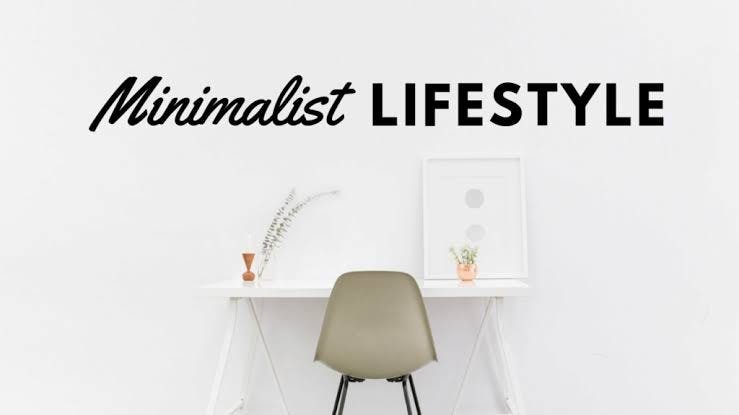
In a world filled with constant distractions, endless shopping opportunities, and overwhelming schedules, many people are searching for ways to simplify their lives. One approach that has gained significant popularity in recent years is the minimalist lifestyle.
Minimalism is more than just owning fewer possessions. It is a mindset that encourages intentional living, helping people focus on what truly matters while eliminating unnecessary clutter, stress, and distractions. By embracing a minimalist lifestyle, individuals often discover greater freedom, improved well-being, and a stronger sense of purpose.
Whether you’re looking to declutter your home, reduce stress, save money, or create more time for meaningful experiences, this guide will help you understand the benefits of minimalism and how to start your own minimalist journey.
Table of Contents
What Is a Minimalist Lifestyle?
A minimalist lifestyle is the practice of intentionally simplifying various aspects of life by removing excess and focusing on essentials.
Contrary to common misconceptions, minimalism does not mean living with almost nothing or giving up everything you enjoy. Instead, it encourages people to keep only what adds value to their lives.
Minimalism can apply to:
- Physical possessions
- Finances
- Daily schedules
- Digital habits
- Relationships
- Personal goals
The ultimate goal is to create space for what matters most.
Why Is Minimalism Becoming So Popular?
Modern life often feels overwhelming.
Many people face:
- Busy schedules
- Consumer pressure
- Information overload
- Financial stress
- Cluttered living spaces
As a result, more individuals are turning to minimalism as a way to regain control and improve their quality of life.
The minimalist lifestyle offers a refreshing alternative to the idea that happiness comes from constantly acquiring more.
Benefits of a Minimalist Lifestyle
Minimalism can positively impact many areas of life.
Reduced Stress
Clutter can contribute to feelings of anxiety and overwhelm.
A cleaner, more organized environment often promotes a greater sense of calm and mental clarity.
More Financial Freedom
Minimalists tend to spend more intentionally, focusing on needs rather than impulse purchases.
This often leads to:
- Lower expenses
- Increased savings
- Reduced debt
- Better financial planning
More Time
Owning fewer possessions typically means spending less time cleaning, organizing, maintaining, and shopping.
This creates more time for:
- Family
- Hobbies
- Travel
- Personal growth
Greater Focus
Minimalism encourages individuals to prioritize important goals and eliminate distractions.
This can improve productivity and decision-making.
Common Myths About Minimalism
Before starting a minimalist lifestyle, it’s important to address some common misconceptions.
Myth 1: Minimalists Own Almost Nothing
Minimalism is not about reaching a specific number of possessions.
It’s about keeping what serves a purpose or brings value.
Myth 2: Minimalism Is Only About Decluttering
While decluttering is often the first step, minimalism also involves simplifying schedules, finances, and daily habits.
Myth 3: Minimalism Is Boring
Minimalists still enjoy hobbies, travel, entertainment, and meaningful possessions.
The focus is on intentional choices rather than deprivation.
Myth 4: Minimalism Is Only for Certain People
Anyone can benefit from minimalist principles regardless of age, income, or lifestyle.
How to Start a Minimalist Lifestyle
Beginning your minimalist journey doesn’t require dramatic changes.
Small, gradual steps often lead to the best long-term results.
Start With One Area
Choose a manageable space such as:
- A closet
- A drawer
- A desk
- A bookshelf
Focus on simplifying one area before moving to larger projects.
Ask Important Questions
When evaluating possessions, ask yourself:
- Do I use this regularly?
- Does it add value to my life?
- Would I buy it again today?
These questions can help guide thoughtful decisions.
Remove Duplicates
Many households contain multiple versions of the same item.
Reducing duplicates can free up valuable space.
Decluttering Your Home
Home decluttering is often the most visible aspect of minimalism.
The One-Year Rule
If you haven’t used an item in over a year, consider whether it’s truly necessary.
Focus on Functionality
Keep items that serve a clear purpose or bring genuine joy.
Donate Unwanted Items
Many items can benefit others through donation rather than being discarded.
Decluttering helps create a cleaner and more peaceful living environment.
Minimalism and Finances
Financial minimalism focuses on intentional spending and reducing unnecessary expenses.
Create a Budget
Understanding where your money goes is an important first step.
Avoid Impulse Purchases
Consider waiting 24 to 48 hours before making non-essential purchases.
Prioritize Experiences
Many minimalists choose to invest in experiences rather than accumulating more possessions.
Examples include:
- Travel
- Education
- Family activities
- Personal development
Digital Minimalism
Modern life often includes significant digital clutter.
Reduce Notifications
Constant notifications can disrupt focus and increase stress.
Organize Digital Files
Regularly clean up:
- Email inboxes
- Downloads
- Photos
- Documents
Limit Screen Time
Setting healthy boundaries with technology can improve productivity and well-being.
Digital minimalism helps create a healthier relationship with devices and online content.
Minimalism and Mental Health
Many people report positive mental health benefits after embracing minimalism.
Reduced Decision Fatigue
Fewer possessions and commitments often mean fewer daily decisions.
Increased Mindfulness
Minimalism encourages intentional living and greater awareness of priorities.
Improved Emotional Well-Being
A simplified environment can promote feelings of peace and contentment.
While minimalism is not a cure for mental health challenges, many individuals find it supports a healthier lifestyle.
Building Meaningful Relationships Through Minimalism
Minimalism isn’t only about possessions.
It can also encourage people to focus more on relationships and personal connections.
By reducing distractions, many individuals find more time for:
- Family
- Friends
- Community involvement
- Personal conversations
Strong relationships often contribute more to long-term happiness than material possessions.
Sustainable Living and Minimalism
Minimalism often aligns naturally with environmental sustainability.
Buying fewer items and consuming more responsibly can help:
- Reduce waste
- Lower resource consumption
- Minimize environmental impact
Many minimalists also adopt eco-friendly habits such as:
- Reusing products
- Recycling
- Choosing durable goods
- Supporting sustainable brands
These practices benefit both individuals and the planet.
Challenges of a Minimalist Lifestyle
Like any lifestyle change, minimalism comes with challenges.
Emotional Attachments
Letting go of sentimental items can be difficult.
Social Expectations
Consumer culture often encourages constant buying and upgrading.
Perfectionism
Some people feel pressure to become “perfect minimalists.”
Remember that minimalism is a personal journey, not a competition.
The goal is progress, not perfection.
Long-Term Success With Minimalism
Maintaining a minimalist lifestyle requires ongoing awareness.
Review Possessions Regularly
Periodically evaluate what you own and remove unnecessary items.
Shop Intentionally
Focus on quality rather than quantity.
Revisit Your Priorities
Life changes over time, and your version of minimalism may evolve as well.
Flexibility is an important part of sustainable minimalism.
Final Thoughts
A minimalist lifestyle is about creating more space for the things that truly matter. By reducing physical clutter, simplifying daily routines, and making intentional choices, individuals can experience greater freedom, reduced stress, and improved overall well-being.
Minimalism doesn’t require extreme sacrifices or dramatic lifestyle changes. Instead, it encourages thoughtful decision-making and a focus on quality over quantity. Whether you’re decluttering your home, simplifying your finances, or reducing digital distractions, every small step can bring you closer to a more balanced and meaningful life.
For More Please Visit : hintmagazine.co.uk