As environmental concerns continue to grow, more people are looking for ways to reduce their impact on the planet. One approach that has gained significant popularity is the zero waste lifestyle. While the term may sound intimidating at first, living a zero waste lifestyle doesn’t mean producing absolutely no trash. Instead, it focuses on minimizing waste, making mindful choices, and adopting sustainable habits that benefit both the environment and future generations.
Whether you’re just beginning your sustainability journey or looking to improve your current eco-friendly practices, embracing a zero waste lifestyle can help you reduce clutter, save money, and contribute to a healthier planet.
In this guide, we’ll explore what a zero waste lifestyle is, its benefits, practical tips for getting started, and how small changes can make a big difference.
Table of Contents
What Is a Zero Waste Lifestyle?
A zero waste lifestyle is a way of living that aims to reduce the amount of waste sent to landfills and incinerators. The goal is to maximize reuse, recycling, composting, and sustainable consumption while minimizing unnecessary waste.
The zero waste movement encourages people to rethink their everyday habits and make environmentally responsible choices.
At its core, zero waste is based on the “5 Rs”:
Refuse
Avoid products and items you do not need.
Reduce
Minimize consumption and unnecessary purchases.
Reuse
Choose reusable alternatives instead of disposable products.
Recycle
Recycle materials properly when reuse is not possible.
Rot
Compost organic waste such as food scraps and yard waste.
Following these principles can significantly reduce household waste and environmental impact.
Why Adopt a Zero Waste Lifestyle?
There are many reasons why people choose to embrace zero waste living.
Environmental Benefits
Reducing waste helps:
- Decrease landfill use
- Lower pollution levels
- Conserve natural resources
- Reduce greenhouse gas emissions
Every small action contributes to a healthier environment.
Financial Savings
Buying fewer disposable products often leads to long-term savings.
Reusable items such as:
- Water bottles
- Grocery bags
- Food containers
- Coffee cups
can reduce recurring expenses over time.
Less Clutter
A zero waste lifestyle encourages intentional purchasing, leading to a more organized and clutter-free home.
Healthier Living
Many zero waste habits involve choosing natural, minimally packaged products and preparing meals at home, which can support a healthier lifestyle.
How to Start a Zero Waste Lifestyle
The best way to begin is by making gradual changes rather than trying to transform everything overnight.
Conduct a Waste Audit
Start by examining your household waste.
Ask yourself:
- What do I throw away most often?
- Which items could be reused?
- What products generate unnecessary packaging?
Understanding your waste habits helps identify opportunities for improvement.
Focus on One Area at a Time
Trying to change every aspect of your life at once can feel overwhelming.
Instead, focus on one category such as:
- Kitchen waste
- Personal care products
- Shopping habits
- Cleaning supplies
Small steps often lead to sustainable long-term success.
Zero Waste Kitchen Tips
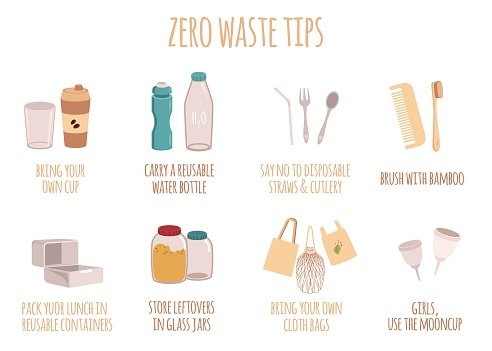
The kitchen is one of the easiest places to begin reducing waste.
Use Reusable Containers
Replace single-use plastic bags and disposable containers with:
- Glass jars
- Stainless steel containers
- Silicone storage bags
Buy in Bulk
Purchasing food in bulk can reduce packaging waste significantly.
Common bulk items include:
- Rice
- Pasta
- Beans
- Nuts
- Spices
Compost Food Scraps
Composting turns food waste into nutrient-rich material for gardens and plants.
Common compostable materials include:
- Fruit peels
- Vegetable scraps
- Coffee grounds
- Eggshells
Reduce Food Waste
Plan meals carefully and use leftovers creatively to minimize food waste.
Sustainable Shopping Habits
Mindful shopping plays a major role in zero waste living.
Bring Reusable Bags
Keep reusable shopping bags handy whenever you go shopping.
Choose Quality Over Quantity
Invest in durable products that last longer and require fewer replacements.
Avoid Excessive Packaging
Whenever possible, choose products with minimal or recyclable packaging.
Support Sustainable Brands
Many companies now prioritize environmentally responsible production methods and packaging.
Supporting these businesses encourages broader sustainability efforts.
Zero Waste Personal Care
Bathrooms often contain many disposable products, making them an excellent area for improvement.
Switch to Reusable Alternatives
Consider replacing disposable items with reusable options such as:
- Safety razors
- Cloth towels
- Reusable makeup removers
Choose Plastic-Free Products
Look for:
- Shampoo bars
- Soap bars
- Bamboo toothbrushes
- Refillable containers
These alternatives can significantly reduce plastic waste.
Simplify Your Routine
Using fewer products often results in less waste and lower expenses.
Eco-Friendly Cleaning Practices
Many conventional cleaning products come in single-use plastic containers.
Make Your Own Cleaners
Simple ingredients like:
- Vinegar
- Baking soda
- Lemon juice
can be used for many household cleaning tasks.
Refill Cleaning Products
Some stores offer refill stations that allow customers to reuse existing containers.
Use Reusable Cleaning Cloths
Replace disposable paper towels with washable cloths and reusable cleaning rags.
Common Challenges of Zero Waste Living
While rewarding, zero waste living does come with challenges.
Convenience Culture
Disposable products are often designed for convenience.
Breaking old habits may take time and effort.
Limited Availability
Not all communities have access to bulk stores, composting programs, or sustainable products.
Perfectionism
Many newcomers feel pressured to achieve zero waste immediately.
However, progress matters more than perfection.
Every positive change contributes to environmental improvement.
Zero Waste Lifestyle Myths
Several misconceptions discourage people from getting started.
Myth 1: Zero Waste Means Producing No Trash
In reality, the goal is waste reduction, not perfection.
Myth 2: It’s Too Expensive
Many zero waste habits actually save money over time.
Myth 3: You Must Change Everything at Once
Gradual changes are often more sustainable and easier to maintain.
Myth 4: One Person Can’t Make a Difference
Collective action begins with individual choices. Small efforts multiplied across communities can create significant impact.
The Future of the Zero Waste Movement
As environmental awareness continues growing, zero waste principles are becoming more mainstream.
Future developments may include:
- Improved recycling systems
- Expanded composting programs
- Sustainable product innovations
- Packaging-free shopping options
- Circular economy initiatives
Businesses, governments, and consumers are increasingly recognizing the importance of reducing waste and conserving resources.
Benefits Beyond the Environment
Many people discover unexpected benefits after adopting a zero waste lifestyle.
These include:
Increased Mindfulness
Being intentional about purchases often leads to better decision-making.
Stronger Community Connections
Local sustainability groups and environmental initiatives can foster meaningful relationships.
Greater Appreciation for Resources
Zero waste living encourages people to value products, materials, and natural resources more thoughtfully.
Final Thoughts
A zero waste lifestyle is not about achieving perfection—it’s about making conscious choices that reduce waste and support a healthier planet. By refusing unnecessary items, reducing consumption, reusing products, recycling properly, and composting organic materials, anyone can make a positive environmental impact.
The journey toward zero waste living begins with small, manageable changes. Whether it’s carrying a reusable water bottle, shopping with reusable bags, composting food scraps, or choosing products with less packaging, every step counts.
For More Please Visit : hintmagazine.co.uk