Anticipation Animation: A Complete Guide to Creating Smooth and Realistic Motion
Animation is more than making characters move. Great animation tells a story, communicates emotion, and helps viewers understand every action on screen. One of the most important principles that makes movement feel natural is anticipation animation. Whether you’re creating cartoons, games, or 3D films, understanding anticipation animation can dramatically improve the quality of your work.
In this guide, you’ll learn what anticipation animation is, why it matters, and how to use it effectively in your own projects.
What Is Anticipation Animation?
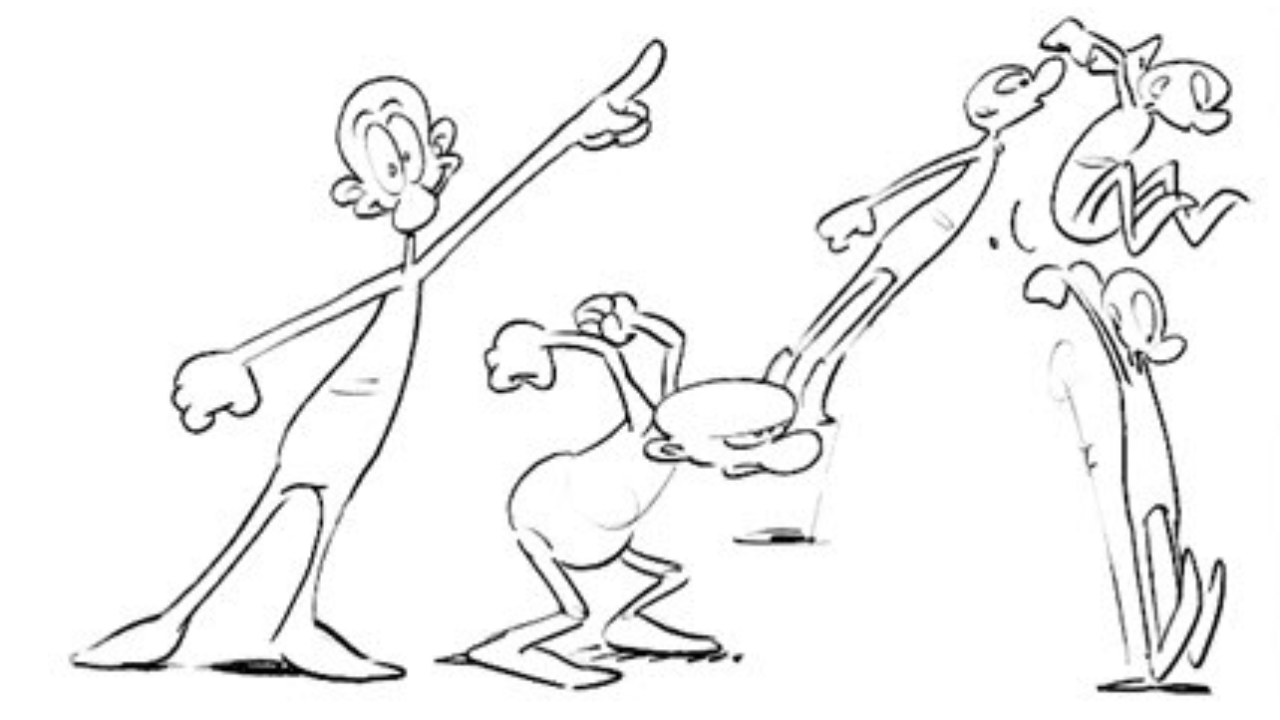
Anticipation animation is the principle of preparing the audience for an upcoming action. Before a character jumps, they usually bend their knees. Before throwing a ball, they pull their arm backward. These preparation movements signal what is about to happen.
Without anticipation, actions can feel sudden, confusing, or unrealistic. With it, movements become smoother, clearer, and more believable.
This principle is one of the famous Twelve Principles of Animation developed by Disney animators, and it remains essential in both traditional and digital animation.
Why Is Anticipation Animation Important?
Anticipation serves several important purposes in animation.
It Makes Motion Feel Natural
People naturally prepare before making large movements. Adding these preparation motions helps animations match real-life behavior.
It Improves Clarity
Viewers instantly understand what is about to happen because the character’s body gives visual clues before the main action begins.
It Creates Better Timing
Anticipation gives audiences a brief moment to process the upcoming movement, making fast actions easier to follow.
It Adds Personality
Different anticipation styles can communicate different emotions.
For example:
- A confident hero prepares quickly.
- A nervous character hesitates before moving.
- A tired character may have slow, heavy anticipation.
These subtle differences make characters feel alive.
How Anticipation Animation Works
Every major action generally has three stages:
1. Preparation
The character gets ready for movement.
Examples include:
- Leaning backward before running
- Pulling an arm back before punching
- Squatting before jumping
2. Main Action
The intended movement takes place.
Examples include:
- Jumping
- Throwing
- Kicking
- Turning
3. Follow-Through
The movement continues naturally after the action ends.
This combination creates believable animation that feels smooth instead of robotic.
Common Examples of Anticipation Animation
You see anticipation animation almost everywhere.
Jumping
A character bends their knees before leaving the ground.
Throwing
The arm moves backward before the object is thrown.
Punching
The shoulder rotates backward before the punch extends.
Opening a Door
The hand reaches for the handle before pulling.
Facial Expressions
A character may raise their eyebrows before expressing surprise.
These small movements prepare viewers for the next action.
Tips for Creating Better Anticipation Animation
Study Real-Life Motion
Watch people perform everyday actions. Notice how every movement begins with some type of preparation.
Recording yourself can provide valuable reference material.
Keep the Anticipation Clear
The audience should easily recognize that an action is about to happen.
Avoid making anticipation so subtle that viewers miss it.
Match the Speed
Large actions usually need larger anticipation.
For example:
- High jump = deeper crouch
- Small hop = slight bend
The preparation should match the intensity of the movement.
Don’t Overdo It
Too much anticipation can slow down your animation.
The goal is to improve readability without making scenes feel delayed.
Combine with Other Animation Principles
Anticipation works best alongside:
- Squash and Stretch
- Timing and Spacing
- Follow Through
- Ease In and Ease Out
- Arcs
Using these principles together creates polished and professional animation.
Anticipation Animation in 2D vs. 3D
2D Animation
In 2D animation, anticipation often relies on exaggerated poses to clearly communicate movement.
Artists can stretch or squash characters to make preparation more expressive.
3D Animation
In 3D animation, anticipation often focuses on body mechanics and realistic weight.
Animators adjust hips, shoulders, spine, and limbs to prepare naturally for movement.
Although the techniques differ, the underlying principle remains the same.
Common Mistakes to Avoid
Many beginner animators struggle with anticipation.
Avoid these common mistakes:
- Skipping anticipation entirely
- Making preparation too long
- Using identical anticipation for every action
- Ignoring body weight
- Forgetting follow-through
Correcting these issues can instantly improve the quality of your animation.
Best Software for Practicing Anticipation Animation
Several animation programs make it easy to practice.
Popular options include:
- Blender
- Autodesk Maya
- Adobe Animate
- Toon Boom Harmony
- Cinema 4D
Each provides tools for experimenting with timing, keyframes, and realistic movement.
How to Practice Anticipation Animation
Improving your skills requires consistent practice.
Try these exercises:
- Animate a bouncing ball with anticipation.
- Create a character jumping over an obstacle.
- Animate a simple punch.
- Practice throwing different objects.
- Record yourself performing actions and recreate them frame by frame.
Repeating these exercises helps develop a strong understanding of body mechanics and timing.
The Role of Anticipation in Storytelling
Animation isn’t only about movement—it’s about communication.
Good anticipation builds suspense and emotional impact.
Imagine a character slowly preparing to open a mysterious door. That small pause increases tension and makes the audience curious about what comes next.
Similarly, a superhero preparing for a powerful leap creates excitement before the action even begins.
This is why anticipation animation plays a major role in visual storytelling.
Conclusion
Anticipation animation is one of the most valuable principles every animator should master. It prepares viewers for upcoming actions, improves realism, enhances storytelling, and makes movement feel smooth and believable.
Whether you’re creating 2D cartoons, 3D films, video games, or motion graphics, using anticipation correctly will instantly elevate your animations. Start by studying real-world movement, practice simple exercises, and combine anticipation with other animation principles to produce professional-quality results.
Mastering anticipation animation takes time, but the improvement in your work will be well worth the effort.
Frequently Asked Questions
What is anticipation animation?
Anticipation animation is a preparation movement that happens before the main action. It helps audiences understand what is about to happen and makes motion appear more natural.
Why is anticipation important in animation?
It improves realism, enhances clarity, creates smoother motion, and helps viewers easily follow character actions.
Is anticipation animation only used in character animation?
No. It can also be used for objects, camera movements, user interface animations, visual effects, and motion graphics.
How can beginners improve their anticipation animation?
Study real-life movement, use video references, practice simple animations, and focus on proper timing, body mechanics, and follow-through.