

Adenoid problems can affect people of all ages. Many individuals search for information when they experience breathing issues or chronic infections. The term adenoidid often appears in discussions about swollen or infected adenoids. This guide explains the condition in clear and simple language. It aims to help readers understand what adenoidid means, why it develops, and how it can be treated effectively.
Adenoid-related issues can disrupt sleep, weaken overall health, and reduce quality of life. Early detection and proper care play a crucial role in preventing long-term complications. This article explores essential details about adenoidid and offers practical insights for better health decisions.
What Is Adenoidid?
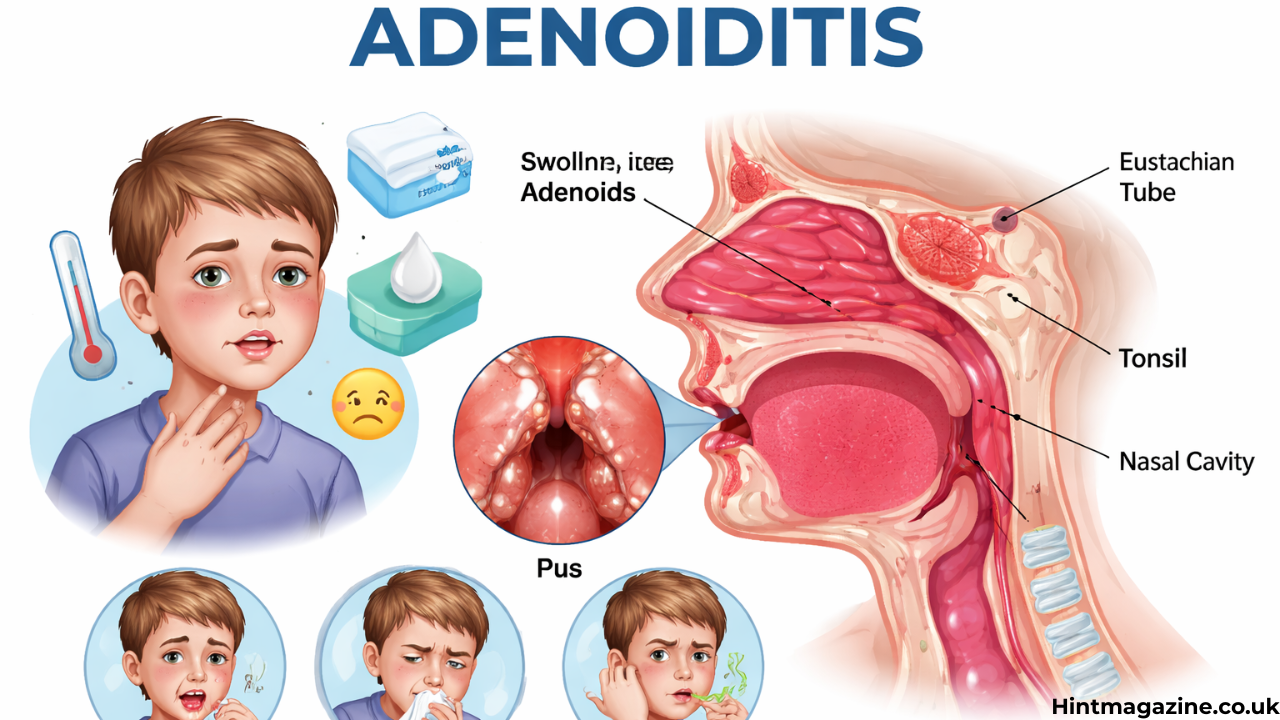
Adenoidid refers to inflammation or infection in the adenoids. The adenoids are small tissue masses located at the back of the nasal cavity. They help the body fight infections during childhood. These tissues are part of the immune system and protect against harmful germs.
When the adenoids swell, they can block the airway. This condition can make breathing difficult, especially at night. Many children face this issue, but adults can also experience it. Adenoidid may develop due to viral infections, bacterial exposure, or allergic reactions.
Role of the Adenoids in the Body
Adenoids support the immune system in several ways. They act as the first line of defense against airborne pathogens. They trap bacteria, viruses, and irritants that enter through the nose. In early childhood, this function is especially important. The immune system learns to identify and fight harmful organisms.
As people grow older, the adenoids shrink. Their role becomes less significant. Adults rely on other immune structures for protection. This natural shrinkage reduces the risk of adenoidid in adulthood. However, the condition can still occur if the tissues become infected or irritated.
Causes of Adenoidid
Many factors can lead to adenoid inflammation. Understanding these causes helps with early prevention. Below are the most common triggers.
Viral Infections
Viruses are the leading cause of adenoid swelling. These infections spread through droplets and physical contact. Common cold viruses often affect the adenoids. The body reacts by enlarging the tissue to fight the invaders.
Bacterial Infections
Some cases result from bacterial exposure. Bacteria can grow in the nasal passages and irritate the adenoids. This causes pain, swelling, and discomfort. Untreated bacterial infections can become chronic and require medical attention.
Allergies
Allergic reactions are another factor. Dust, pollen, smoke, and pet dander can irritate the adenoids. When exposure continues, the tissues may remain enlarged for long periods. This can lead to recurring symptoms.
Environmental Factors
Dry air, pollution, and exposure to irritants can trigger inflammation. These factors weaken the nasal passages and make them vulnerable to infection. Children in crowded environments may face a higher risk.
Common Symptoms of Adenoidid
Adenoidid produces noticeable changes in breathing and overall comfort. Recognizing symptoms early helps in receiving the right treatment. The signs vary based on age and severity.
Difficulty Breathing Through the Nose
Swollen adenoids can block airflow. Children often breathe through their mouths. Parents may notice that their child keeps the mouth open while sleeping or talking.
Snoring or Noisy Breathing
Blocked nasal passages can lead to loud breathing. Snoring becomes common in both children and adults. This symptom can disrupt sleep patterns.
Sleep Disturbances
Poor airflow can cause restless sleep. Some individuals may wake frequently. In severe cases, sleep apnea may develop. This condition requires medical intervention.
Frequent Ear Infections
The adenoids sit close to the Eustachian tubes. Swelling can block these tubes. This allows fluid to build up and cause ear infections. Repeated infections may affect hearing.
Runny or Stuffy Nose
Chronic congestion is a common sign of adenoidid. The nose may run constantly. Some individuals experience thick mucus that is difficult to clear.
Sore Throat
Postnasal drip can irritate the throat. This leads to inflammation and discomfort. The sore throat may persist for several days.
Bad Breath
Mouth breathing and infection can cause unpleasant odor. This symptom often appears with other signs.
Diagnosing Adenoidid
A proper diagnosis is essential for effective treatment. Doctors use different methods to identify the condition. Below are the most common techniques.
Physical Examination
A doctor may check the nose, throat, and ears. They look for signs of swelling or infection. This examination helps identify additional complications.
Nasopharyngoscopy
This test uses a small flexible camera. It allows doctors to view the adenoids directly. The procedure is quick and safe. It gives accurate information about size and inflammation.
Imaging Tests
X-rays or scans may be used in some cases. These show the size of the adenoids and airway structure. Imaging helps confirm the diagnosis.
Medical History Review
Doctors consider the patient’s symptoms and previous infections. This helps determine whether the condition is temporary or chronic.
Treatment Options for Adenoidid
Adenoidid can be managed with several treatment approaches. The right method depends on the severity and cause. Below are the most effective treatments.
Medications
Mild cases often respond to medicine. Doctors may prescribe antibiotics for bacterial infections. Nasal sprays can reduce congestion and swelling. Pain relievers help ease discomfort.
Hydration and Humidification
Drinking plenty of water keeps mucus thin. A humidifier adds moisture to dry air. This helps reduce irritation in the nasal passages.
Warm Compresses
A warm compress can soothe discomfort. It helps reduce pressure in the sinus area. This simple method offers temporary relief.
Avoiding Allergens
Removing allergens from the environment is important. Air purifiers, frequent cleaning, and avoiding smoke can help. Reducing exposure lowers the risk of recurring symptoms.
Surgery (Adenoidectomy)
Severe or chronic cases may require surgical removal. Adenoidectomy is a safe procedure. It is often recommended for persistent infections or breathing problems. Most patients recover quickly and experience long-term relief.
Adenoidid in Children
Children are more affected by adenoid problems. Their immune systems are still developing. The adenoids play a larger role during childhood. Some key points about adenoidid in children include:
- Mouth breathing is very common.
- Snoring can disturb sleep.
- Speech may become nasal.
- Behavior can change due to poor rest.
- School performance may decline due to lack of sleep.
Parents should observe symptoms closely. Medical attention is necessary if breathing becomes difficult or infections occur frequently.
Adenoidid in Adults
Adults experience this condition less often. However, chronic allergies or infections can still cause inflammation. The symptoms are similar but may appear more gradually. Adults often ignore early signs. This leads to prolonged discomfort and health complications.
Treatment for adults may take longer. The adenoids are smaller, but swelling can still block airflow. Surgery is considered if symptoms do not improve with medication.
Complications of Untreated Adenoidid
Ignoring the condition can lead to several complications. These issues affect health and daily life.
Chronic Ear Problems
Fluid buildup can impair hearing. Frequent infections can damage the eardrum. Long-term hearing problems may develop.
Sleep Disorders
Poor breathing affects sleep quality. Untreated cases may lead to sleep apnea. This condition increases the risk of heart issues.
Delayed Growth in Children
Children need proper sleep for growth. Interrupted sleep can slow physical and mental development. Early treatment prevents this problem.
Sinus Infections
Blocked airflow can lead to repeated sinus infections. These infections cause pain, fever, and fatigue.
Prevention Tips for Adenoidid
Preventing adenoid inflammation is possible with healthy habits. These steps support strong immunity and reduce infection risks:
- Wash hands regularly.
- Avoid close contact with sick individuals.
- Keep the home clean and dust-free.
- Maintain proper hydration.
- Eat a balanced diet rich in vitamins.
- Manage allergies with medical guidance.
These habits reduce the risk of both viral and bacterial infections.
When to See a Doctor
Medical attention is important when symptoms persist. Seek help if breathing becomes difficult or sleep is disturbed. Ear infections that repeat often require evaluation. Chronic nasal congestion should also be checked.
A doctor can provide the right treatment plan. Early action prevents complications.
Conclusion
Adenoidid is a condition that affects breathing, sleep, and overall health. Understanding the symptoms and causes helps with early treatment. Most cases respond well to medication and lifestyle adjustments. Severe cases may require surgery for lasting relief.
Proper care and timely diagnosis protect long-term health. Anyone experiencing persistent symptoms should consult a healthcare provider. With the right approach, recovery is smooth, and quality of life improves significantly.