


Building wealth has traditionally centered on stocks, bonds, and savings accounts. However, today’s investors are increasingly looking beyond conventional assets to explore alternative investments. These investments offer opportunities to diversify portfolios, reduce dependence on stock market performance, and potentially achieve higher long-term returns.
Alternative investments include assets such as real estate, private equity, commodities, hedge funds, collectibles, infrastructure, and more. While they often come with unique risks, they can also provide valuable diversification and income opportunities when used thoughtfully.
In this guide, we’ll explore what alternative investments are, their benefits and risks, the most popular investment options, and practical tips for incorporating them into your long-term financial strategy.
Table of Contents
What Are Alternative Investments?
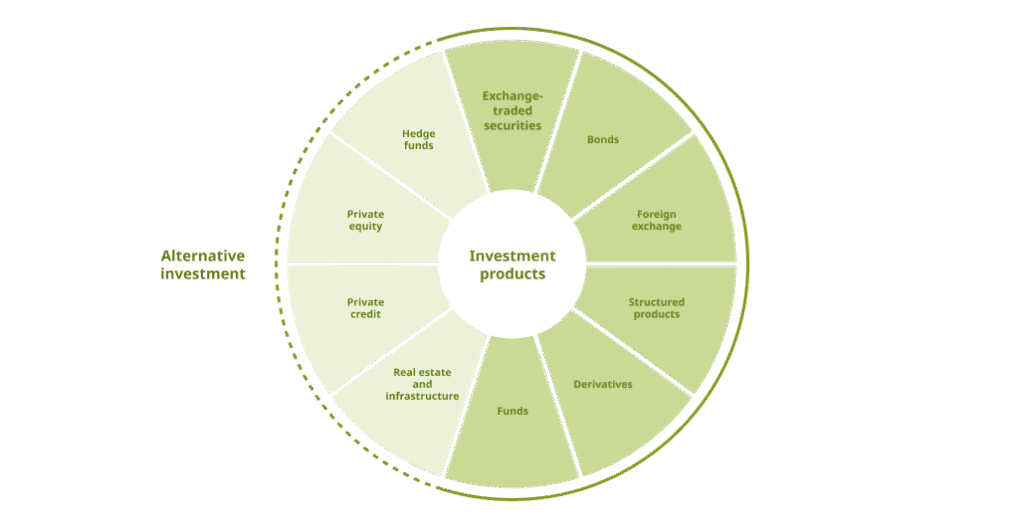
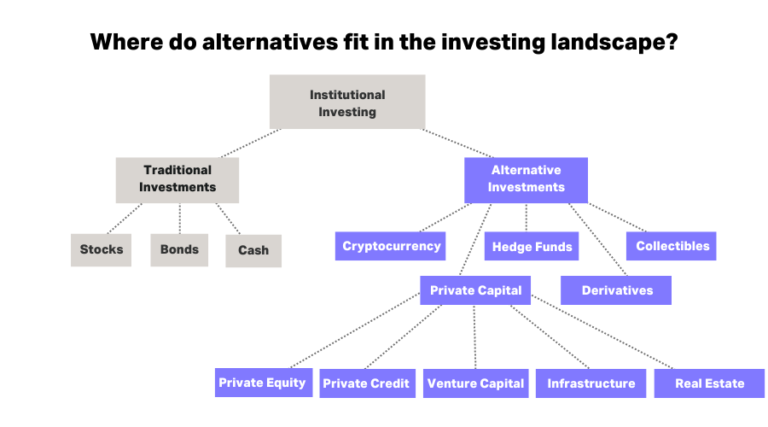
Alternative investments are financial assets that fall outside the traditional categories of publicly traded stocks, bonds, and cash.
These investments often have different risk and return characteristics compared to conventional investments, making them useful for portfolio diversification.
Some alternative investments generate income, while others aim for long-term appreciation.
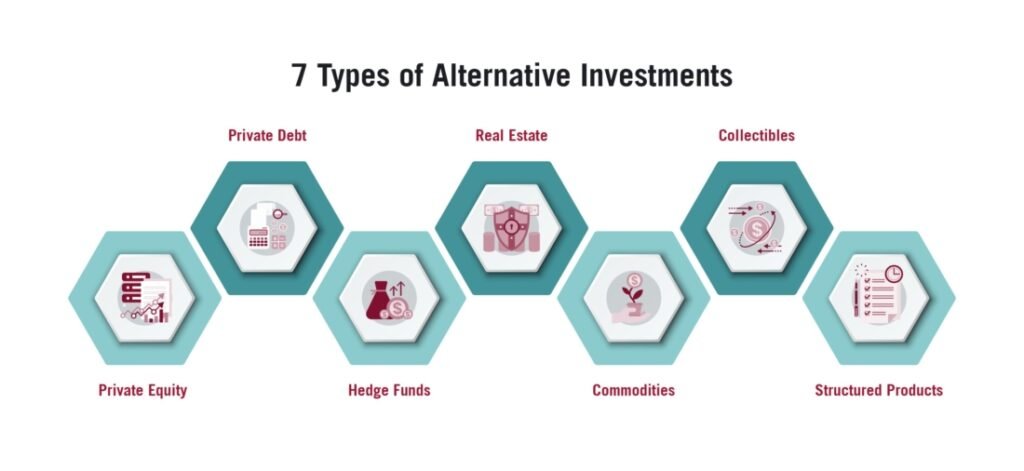
Common examples include:
- Real estate
- Private equity
- Venture capital
- Commodities
- Infrastructure
- Collectibles
- Farmland
- Private credit
Each asset class offers unique opportunities depending on an investor’s goals and risk tolerance.
Why Investors Choose Alternative Investments
Alternative investments have become increasingly popular for several reasons.
Portfolio Diversification
Different asset classes often perform differently during changing economic conditions.
Adding alternative investments may reduce the overall volatility of an investment portfolio.
Potential for Higher Returns
Some alternative investments offer opportunities for greater long-term growth than traditional assets, although they may also involve higher risks.
Inflation Protection
Certain assets, including real estate and commodities, may help preserve purchasing power during periods of inflation.
Passive Income Opportunities
Many alternative investments generate recurring income through rent, interest payments, or business profits.
Types of Alternative Investments
There are many categories of alternative investments available to investors.
Real Estate
Real estate remains one of the most popular alternatives.
Investors may purchase:
- Residential rental properties
- Commercial buildings
- Vacation rentals
- Industrial properties
- Real Estate Investment Trusts (REITs)
Rental income and long-term property appreciation make real estate attractive for many investors.
Private Equity
Private equity involves investing directly in privately owned companies.
These investments often aim to improve business performance before eventually selling the company for a profit.
Private equity investments generally require a long investment horizon.
Venture Capital
Venture capital focuses on financing startup businesses with strong growth potential.
Although startup investing carries significant risk, successful companies can generate substantial returns.
Commodities
Commodities include physical assets such as:
- Gold
- Silver
- Oil
- Natural gas
- Agricultural products
Many investors use commodities to diversify portfolios and hedge against inflation.
Infrastructure Investments
Infrastructure assets include:
- Toll roads
- Airports
- Renewable energy projects
- Utilities
- Telecommunications networks
These investments often generate stable long-term cash flows.
Collectibles
Some investors purchase valuable items that may appreciate over time.
Examples include:
- Fine art
- Rare coins
- Vintage automobiles
- Sports memorabilia
- Fine wine
Collectibles can provide diversification but require specialized knowledge.
Farmland
Agricultural land has gained attention as an alternative investment.
Farmland may generate returns through crop production, leasing arrangements, and long-term land appreciation.
Benefits of Alternative Investments
Alternative investments offer several advantages.
Lower Correlation With Stock Markets
Many alternative assets don’t move in the same direction as stock markets.
This can help reduce portfolio volatility.
Income Generation
Some investments produce regular income through rental payments, dividends, or interest.
Long-Term Growth
Certain asset classes have demonstrated strong long-term appreciation.
Access to Unique Opportunities
Alternative investments allow investors to participate in industries and markets unavailable through traditional investments.
Risks of Alternative Investments
Although attractive, alternative investments also involve important risks.
Limited Liquidity
Some assets cannot be sold quickly.
Investors may need to hold them for several years.
Higher Investment Requirements
Certain private investments require substantial initial capital.
Valuation Challenges
Unlike publicly traded stocks, determining the market value of private assets can be difficult.
Specialized Knowledge
Some alternative investments require extensive research and expertise.
Understanding these risks helps investors make informed decisions.
How to Start Investing in Alternatives
If you’re considering alternative investments, follow a structured approach.
Define Your Goals
Determine whether you’re seeking:
- Passive income
- Portfolio diversification
- Long-term growth
- Inflation protection
Your objectives should guide your investment choices.
Assess Your Risk Tolerance
Alternative investments often involve varying levels of risk.
Choose investments that align with your financial situation and comfort level.
Diversify Your Portfolio
Avoid concentrating too much money in a single investment.
A diversified portfolio may include:
- Stocks
- Bonds
- Real estate
- Commodities
- Alternative assets
Diversification helps manage overall investment risk.
Research Carefully
Before investing, understand:
- Expected returns
- Fees
- Liquidity
- Historical performance
- Investment structure
Thorough research reduces the likelihood of costly mistakes.
Alternative Investments vs. Traditional Investments
| Feature | Traditional Investments | Alternative Investments |
|---|---|---|
| Liquidity | Generally high | Often lower |
| Market Access | Public exchanges | Public and private markets |
| Diversification | Limited | Broad |
| Volatility | Market-driven | Varies by asset |
| Income Potential | Dividends and interest | Rent, royalties, business income, appreciation |
Both investment categories can play important roles within a balanced financial plan.
Common Mistakes to Avoid
New investors sometimes overlook important considerations.
Avoid these common mistakes:
- Investing without research
- Ignoring diversification
- Chasing unrealistic returns
- Underestimating liquidity needs
- Overlooking investment fees
- Taking excessive risk
A disciplined approach supports better long-term outcomes.
Who Should Consider Alternative Investments?
Alternative investments may be appropriate for investors who:
- Have long-term financial goals
- Want greater portfolio diversification
- Understand investment risk
- Seek passive income opportunities
- Already maintain a solid foundation of traditional investments
Every investor’s situation is different, so investment decisions should align with personal financial objectives.
Frequently Asked Questions
What are alternative investments?
Alternative investments are assets outside traditional stocks, bonds, and cash, including real estate, private equity, commodities, infrastructure, and collectibles.
Are alternative investments risky?
Yes. Many alternative investments involve higher risks, lower liquidity, and greater complexity than traditional investments.
Why do investors use alternative investments?
They may provide diversification, inflation protection, passive income, and potential long-term growth.
Can beginners invest in alternative assets?
Yes, but beginners should start with thorough research, diversify their portfolios, and invest according to their financial goals and risk tolerance.
Final Thoughts
Alternative investments have become an increasingly valuable component of modern investment portfolios. By expanding beyond traditional stocks and bonds, investors can access new opportunities for diversification, income generation, and long-term wealth creation.
While these investments often require additional research and patience, they can complement conventional assets and strengthen a well-balanced financial strategy. Whether you’re interested in real estate, commodities, private businesses, infrastructure, or collectibles, understanding the benefits and risks is essential before investing.
As with any financial decision, focus on your long-term goals, maintain diversification, and continue learning about different asset classes. A thoughtful approach to alternative investing can help build a more resilient portfolio and support lasting financial success.
For More Please Visit : hintmagazine.co.uk