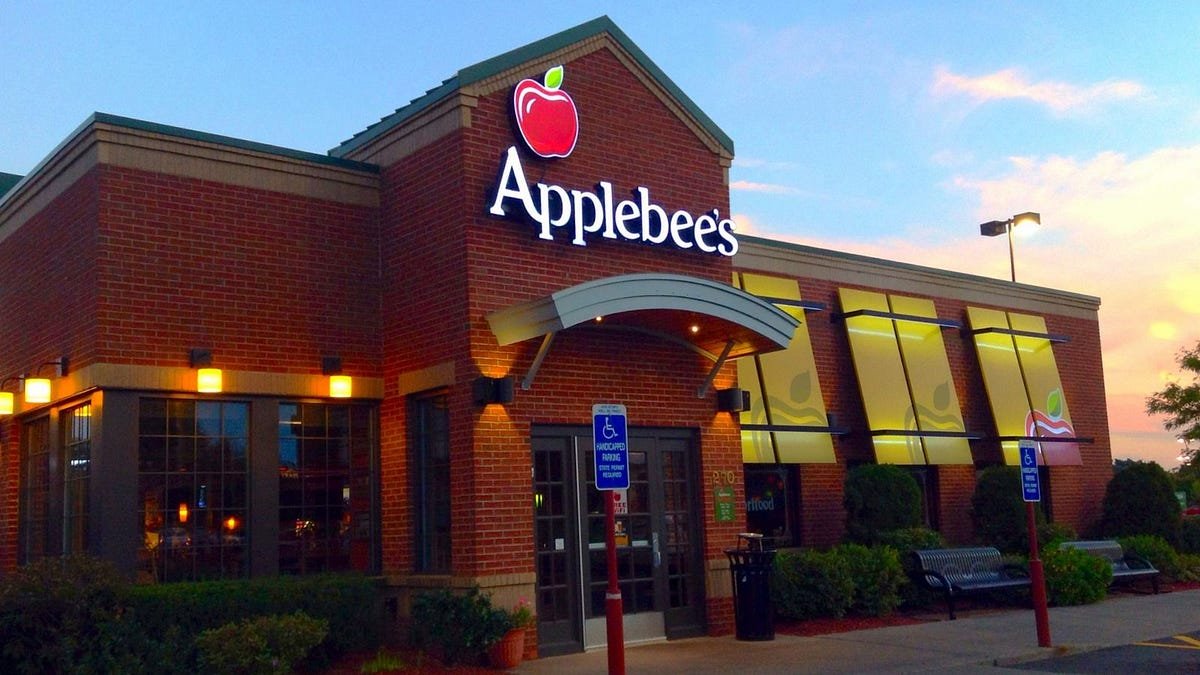
The closure of the Applebee’s location in Calexico, California, has sparked conversations among residents, customers, and local business observers. For many years, the restaurant served as a popular dining destination for families, travelers, and community members looking for casual dining options in the area.
As news of the closure spread, many people began asking important questions: Why is the restaurant closing? What impact will it have on local employees and customers? And what does this mean for the future of dining and business development in Calexico?
In this article, we’ll explore the details surrounding the Applebee’s Calexico location closure, its impact on the community, and the broader trends affecting restaurant chains across the United States.
Table of Contents
A Long-Standing Presence in Calexico
For years, the Applebee’s restaurant in Calexico served as one of the city’s recognizable casual dining establishments. Located near major shopping and travel areas, the restaurant attracted both local residents and visitors traveling through the region.
The restaurant offered a familiar menu, family-friendly atmosphere, and a convenient option for diners seeking American-style casual dining.
Many local residents viewed the restaurant as more than just a place to eat—it was also a gathering spot for celebrations, family dinners, and social events.
Details About the Closure
Reports indicate that the Calexico Applebee’s location is scheduled to permanently close, ending decades of service to the community. Recent reports stated that the restaurant would serve its final customers in June 2026 and that approximately 30 employees could be affected by the closure.
The closure follows a pattern seen across parts of the casual dining industry, where some locations have struggled with changing consumer habits, rising operating expenses, and increased competition.
While each restaurant closure has unique circumstances, industry experts note that many restaurant chains are continually evaluating the performance of individual locations.
Why Restaurants Close Locations
Restaurant closures often result from a combination of factors rather than a single issue.
Rising Operating Costs
Restaurants face ongoing increases in:
- Labor expenses
- Food costs
- Utility bills
- Rent payments
- Supply chain costs
These financial pressures can make it difficult for some locations to remain profitable.
Changing Consumer Preferences
Dining habits have evolved significantly in recent years.
Many consumers now prefer:
- Food delivery services
- Takeout options
- Fast-casual restaurants
- Digital ordering experiences
Traditional casual dining chains must adapt to these changing expectations.
Competitive Market Conditions
Restaurants compete for customers in increasingly crowded markets.
Local eateries, fast-casual brands, and national chains all compete for consumer attention and spending.
Impact on Employees
One of the most significant effects of any restaurant closure is its impact on employees.
Restaurant staff members often include:
- Servers
- Kitchen workers
- Managers
- Hosts
- Bartenders
For many employees, the closure means searching for new employment opportunities or transferring to other locations if available.
The loss of jobs can have ripple effects throughout local communities, particularly in areas where employment opportunities may be limited.
How the Community Has Responded
Restaurant closures often generate strong reactions from local residents.
In Calexico, many community members have expressed disappointment because the restaurant had become a familiar part of the local dining landscape.
Longtime customers often develop emotional connections to restaurants where they have celebrated birthdays, anniversaries, graduations, and other important milestones.
Community leaders frequently view such closures as indicators of broader economic and commercial challenges that deserve attention.
The Broader Trend Affecting Casual Dining Chains

The Applebee’s Calexico closure is not an isolated event.
Across the United States, several well-known restaurant chains have announced closures or restructuring efforts in recent years.
Industry challenges include:
- Inflation
- Labor shortages
- Higher food costs
- Increased competition
- Shifting customer preferences
Many restaurant brands are adapting by modernizing operations and experimenting with new business models.
Applebee’s Strategy Moving Forward
Despite some location closures, Applebee’s continues to pursue growth opportunities.
The company has announced plans to expand innovative restaurant concepts, including combined Applebee’s and IHOP locations designed to improve operational efficiency and attract a broader customer base.
Company leadership has indicated that closures are part of ongoing efforts to optimize the restaurant network while investing in future growth opportunities.
This strategy reflects broader trends within the restaurant industry as brands seek new ways to remain competitive.
What Happens to Closed Restaurant Locations?
When a restaurant closes, the property often becomes available for redevelopment or new business opportunities.
Possible outcomes include:
New Restaurant Tenants
Another restaurant brand may choose to occupy the location.
Retail Development
The space could be converted into retail stores or service businesses.
Mixed-Use Projects
Some properties are redeveloped into mixed-use commercial spaces.
Community Investments
In some cases, local investors explore opportunities to bring new concepts to the area.
The future of the Calexico location will likely depend on market demand and local economic conditions.
Economic Implications for Calexico
Business closures can affect communities in several ways.
Employment Effects
Fewer jobs may temporarily impact local employment levels.
Tax Revenue
Restaurants contribute to local tax revenue through sales and business operations.
Consumer Spending
Residents may spend more money in neighboring cities if local dining options decrease.
Commercial Activity
Occupied commercial properties help support vibrant business districts.
Community leaders often focus on attracting new businesses to offset these challenges.
Opportunities for Local Businesses
While closures can be disappointing, they can also create opportunities.
Local restaurants and independent businesses may benefit from increased customer demand after a major chain restaurant closes.
Entrepreneurs may see opportunities to:
- Launch new dining concepts
- Expand existing businesses
- Introduce unique food offerings
- Serve underserved market segments
In some cases, local businesses successfully fill gaps left by larger chains.
The Future of Dining in Calexico
The dining landscape continues evolving across the country, including in smaller communities.
Consumers increasingly seek:
- Convenience
- Quality food
- Unique experiences
- Local connections
- Digital ordering options
Restaurants that successfully meet these expectations often perform well in competitive environments.
The closure of one location does not necessarily indicate a decline in local dining activity. Instead, it may signal a transition toward new opportunities and business models.
Lessons From the Applebee’s Calexico Closure
Several important lessons emerge from this situation.
Businesses Must Adapt
Consumer preferences continue changing, requiring ongoing innovation.
Community Support Matters
Local businesses often depend on strong community engagement and loyalty.
Economic Conditions Influence Success
Even established brands face challenges when operating costs rise.
Change Creates New Opportunities
Commercial transitions can open doors for future investment and entrepreneurship.
Final Thoughts
The Applebee’s Calexico location closure marks the end of an era for many local residents who enjoyed the restaurant’s presence in the community. While the closure brings challenges for employees, customers, and local business activity, it also reflects broader changes occurring throughout the restaurant industry.
As dining trends continue evolving, businesses must adapt to shifting consumer expectations, economic pressures, and competitive markets. For Calexico, the closure may represent not only a loss but also an opportunity for future development and new business ventures.
Communities are resilient, and while favorite establishments may come and go, new opportunities often emerge to shape the next chapter of local economic growth and dining experiences.
For More Please Visit : hintmagazine.co.uk