
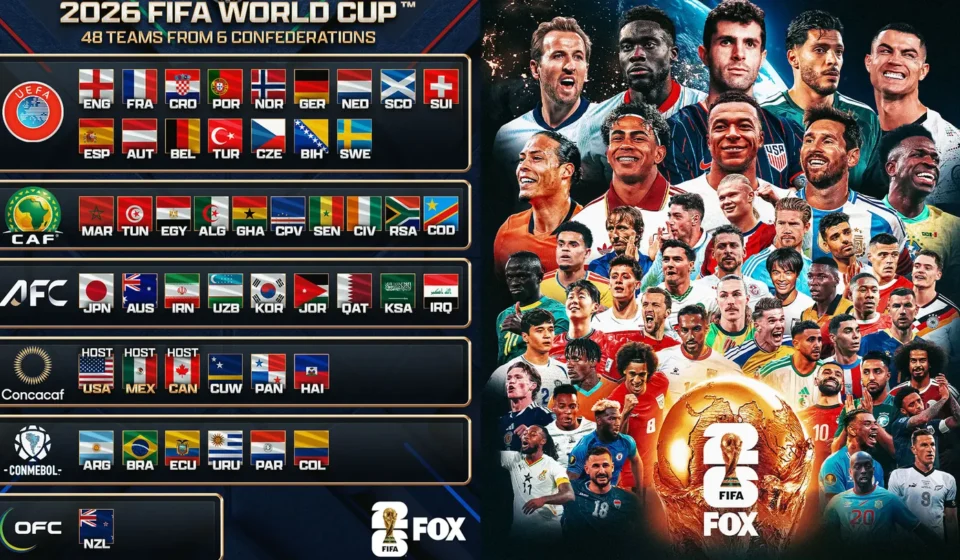

Football is often called the world’s game, and nowhere is that more evident than in FIFA competitions. From legendary champions like Brazil and Germany to emerging football nations making history on the global stage, every FIFA tournament showcases the passion, talent, and diversity of international football. Fans eagerly follow their favorite teams, celebrate unforgettable victories, and witness the rise of future stars every four years.
If you’ve ever searched for “FIFA all team,” you’re likely looking for information about the national teams that compete in FIFA competitions, their histories, achievements, and the strengths that make each team unique. This guide covers everything you need to know about FIFA teams, including continental confederations, powerhouse nations, rising challengers, and what makes international football the most popular sport in the world.
Whether you’re preparing for the next FIFA World Cup, following continental championships, or simply expanding your football knowledge, this complete guide has you covered.
Table of Contents
What Is FIFA?
The Fédération Internationale de Football Association (FIFA) is the international governing body responsible for organizing and promoting football worldwide. Founded in 1904, FIFA oversees international competitions, establishes the Laws of the Game alongside IFAB, and manages global tournaments including the FIFA World Cup.
Today, FIFA consists of more than 200 member associations, making it one of the largest international sports organizations in the world.
How Many National Teams Are in FIFA?
FIFA currently has 211 member associations, each representing a national football team. Every member nation has the opportunity to compete in qualification tournaments for FIFA competitions.
However, not every team qualifies for the FIFA World Cup. Qualification depends on performance during regional qualifying tournaments organized by FIFA’s six continental confederations.
FIFA’s Six Continental Confederations
National teams belong to one of six continental football confederations.
1. UEFA (Europe)
UEFA is widely regarded as the strongest football confederation.
Top European teams include:
- France
- England
- Spain
- Germany
- Portugal
- Italy
- Netherlands
- Croatia
- Belgium
- Denmark
European nations consistently perform well in FIFA tournaments due to their strong domestic leagues and player development systems.
2. CONMEBOL (South America)
South America has produced some of football’s greatest players and most successful national teams.
Major teams include:
- Argentina
- Brazil
- Uruguay
- Colombia
- Ecuador
- Chile
- Paraguay
- Peru
- Venezuela
- Bolivia
Despite having only ten member nations, CONMEBOL regularly produces World Cup champions and finalists.
3. CONCACAF (North America, Central America & Caribbean)
CONCACAF continues to grow rapidly, especially with increased investment in football.
Leading teams include:
- United States
- Mexico
- Canada
- Costa Rica
- Jamaica
- Panama
- Honduras
- El Salvador
- Trinidad and Tobago
The region continues to improve ahead of future FIFA competitions.
4. AFC (Asia)
Asian football has developed significantly over the past two decades.
Top AFC teams include:
- Japan
- South Korea
- Australia
- Saudi Arabia
- Iran
- Qatar
- Uzbekistan
- Iraq
- United Arab Emirates
Several Asian nations have become increasingly competitive on the global stage.
5. CAF (Africa)
African football is known for athleticism, technical skill, and exciting attacking football.
Leading African teams include:
- Morocco
- Senegal
- Nigeria
- Egypt
- Algeria
- Tunisia
- Ghana
- Cameroon
- Ivory Coast
- Mali
African nations continue producing world-class players who compete in Europe’s top leagues.
6. OFC (Oceania)
Although the smallest confederation, Oceania continues developing talented players.
Major teams include:
- New Zealand
- Fiji
- Solomon Islands
- Tahiti
- Papua New Guinea
The region benefits from expanded qualification opportunities in modern FIFA tournaments.
Most Successful FIFA National Teams
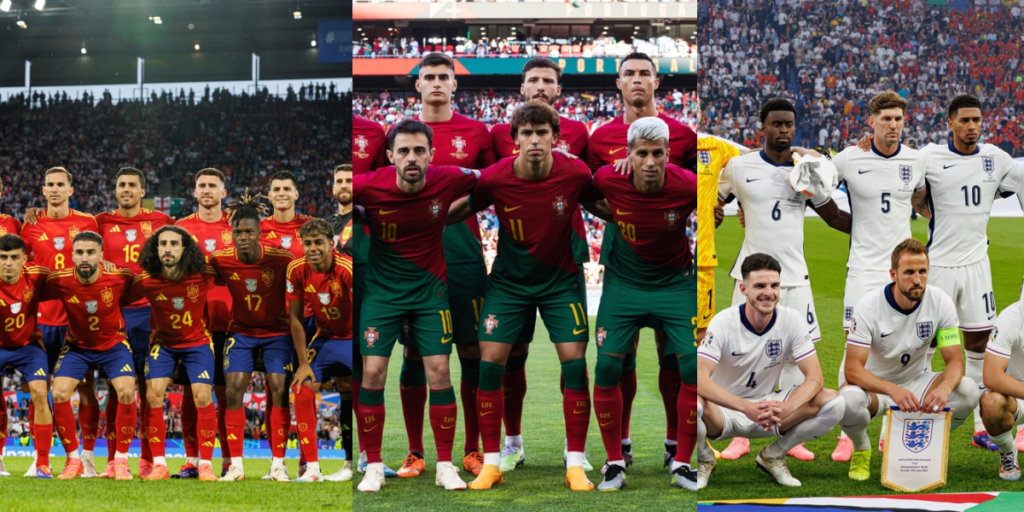
Several countries have established legendary football traditions through decades of international success.
Brazil
Brazil remains the most successful national team in FIFA World Cup history.
Achievements include:
- Five FIFA World Cup titles
- Legendary players including Pelé, Ronaldo, Ronaldinho, Rivaldo, Kaká, Neymar, and many others
- A reputation for creative attacking football
Brazil’s iconic yellow jersey is recognized worldwide.
Germany
Germany has consistently demonstrated excellence through discipline, tactical organization, and teamwork.
Highlights include:
- Four World Cup championships
- Numerous World Cup finals
- Strong youth development programs
Germany has remained among football’s elite for generations.
Italy
Italy’s defensive excellence has earned worldwide respect.
The national team has won multiple FIFA World Cups while producing some of football’s greatest defenders and goalkeepers.
Argentina
Argentina combines technical brilliance with passionate football culture.
The nation’s achievements include:
- Multiple FIFA World Cup victories
- Legendary players such as Diego Maradona and Lionel Messi
- Strong youth academies
Argentina continues producing world-class talent.
France
France has emerged as one of modern football’s strongest nations.
Its success is built upon:
- Outstanding player development
- Tactical versatility
- Athleticism
- Squad depth
France consistently ranks among the favorites entering major tournaments.
Rising National Teams

Several countries have rapidly improved in recent years.
Morocco
Morocco made history by becoming the first African nation to reach a FIFA World Cup semifinal.
Its disciplined defense and organized tactics impressed football fans worldwide.
Japan
Japan continues raising its international profile through technical excellence and disciplined team play.
Its players now compete regularly in Europe’s top leagues.
Canada
Canada has experienced significant growth thanks to investment in youth development and the emergence of talented players.
The country’s football future appears increasingly bright.
What Makes a Great FIFA Team?
Success at the international level requires more than talented individuals.
Elite national teams typically possess:
Strong Team Chemistry
Players must adapt quickly despite limited time together.
Tactical Discipline
Successful teams execute game plans effectively against different opponents.
Experienced Leadership
Veteran players help younger teammates handle pressure during major tournaments.
Squad Depth
Winning championships often depends on having quality substitutes ready to contribute.
Mental Strength
The ability to remain composed under intense pressure separates champions from contenders.
FIFA World Cup Qualification
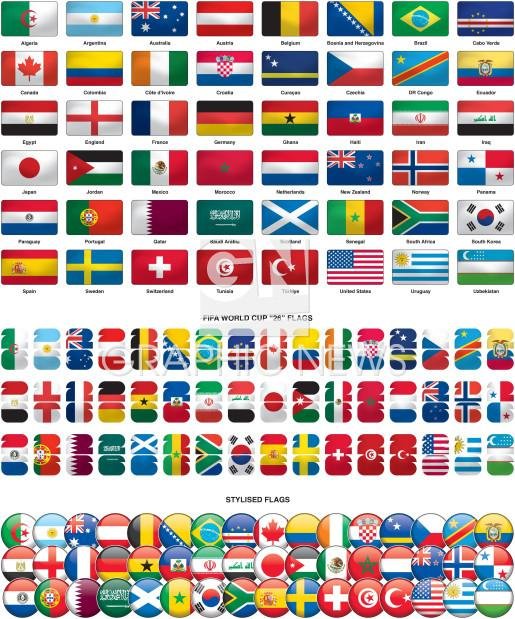
Every FIFA member nation begins with qualification.
Each confederation receives a set number of qualification spots.
Teams compete over several months or years before earning places in the FIFA World Cup finals.
Qualification often produces dramatic matches and memorable underdog stories.
Famous FIFA Rivalries
International football features some of the sport’s greatest rivalries.
Popular rivalries include:
- Argentina vs Brazil
- England vs Germany
- France vs Italy
- Mexico vs United States
- Uruguay vs Argentina
- Portugal vs Spain
These fixtures consistently attract millions of viewers worldwide.
Young Stars Shaping the Future
Every FIFA tournament introduces exciting new talent.
Emerging players continue transforming international football through:
- Technical skill
- Speed
- Tactical intelligence
- Versatility
- Confidence
Youth development remains one of the biggest factors behind national team success.
Why Fans Love FIFA Tournaments
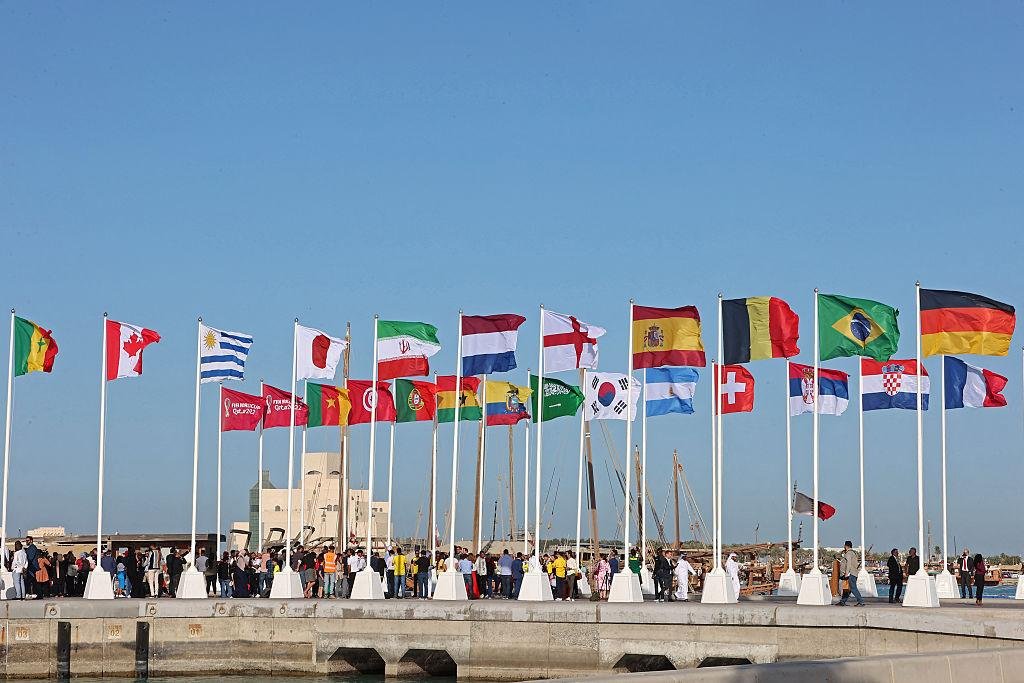
FIFA competitions unite billions of supporters across different cultures and countries.
Fans enjoy:
- National pride
- Historic rivalries
- Unpredictable upsets
- Dramatic penalty shootouts
- World-class goals
- Future football stars
Few sporting events create the same level of global excitement.
Frequently Asked Questions
How many FIFA national teams are there?
FIFA currently has 211 member associations, each representing a national football team.
Which country has won the most FIFA World Cups?
Brazil holds the record with five FIFA World Cup championships.
Which confederation is strongest?
UEFA is generally considered the strongest confederation due to the consistent success of European teams in international competitions.
Can every FIFA team qualify for the World Cup?
Yes. Every FIFA member association can compete in qualification tournaments, although only a limited number of teams qualify for the final tournament.
Which countries are expected to perform well in future FIFA tournaments?
Traditional football powers such as Argentina, France, Spain, England, Brazil, Germany, Portugal, and emerging nations like Morocco, Japan, and Canada are expected to remain highly competitive.
Final Thoughts
The phrase “FIFA all team” represents much more than a list of national squads. It reflects the incredible diversity, passion, and competitive spirit that make international football the world’s most popular sport. From football giants like Brazil, Argentina, Germany, and France to rapidly improving nations across Africa, Asia, North America, and Oceania, every FIFA member contributes to the global story of the beautiful game.
Each FIFA tournament introduces unforgettable moments, inspiring underdog stories, and legendary performances that captivate billions of fans. As football continues to grow around the world, more nations are investing in youth development, coaching, and infrastructure, making international competitions more exciting and competitive than ever before.
Whether you’re cheering for a traditional powerhouse or an emerging football nation, one thing remains certain: every FIFA competition celebrates the unity, passion, and excitement that only international football can deliver.
For More Please Visit : hintmagazine.co.uk